Small Ski Areas With Big-Time Action
While mega-resorts like Vail and Aspen often steal the spotlight, small ski areas in North America offer an unbeatable combination of charm, affordability, and thrilling terrain without the overwhelming crowds. These hidden gems provide a more intimate skiing experience, where you can focus on the joy of carving turns through fresh powder or gliding down groomed runs with stunning views.
Small ski areas emphasize community vibes, unique features, and diverse slopes that cater to everyone from first-timers to seasoned pros. They’re perfect for families seeking budget-friendly outings or experts chasing uncrowded challenges. Plus, with fewer lines and more personal space, you’ll maximize your time on the snow.
In this guide, we’ll explore some of the best small ski areas across North America, highlighting their locations, terrain variety, and why they’re ideal for different types of skiers and snowboarders. Whether you’re planning a weekend getaway or a full vacation, these small ski areas deliver big-time action and unforgettable memories.
Sunlight Mountain Resort, Colorado
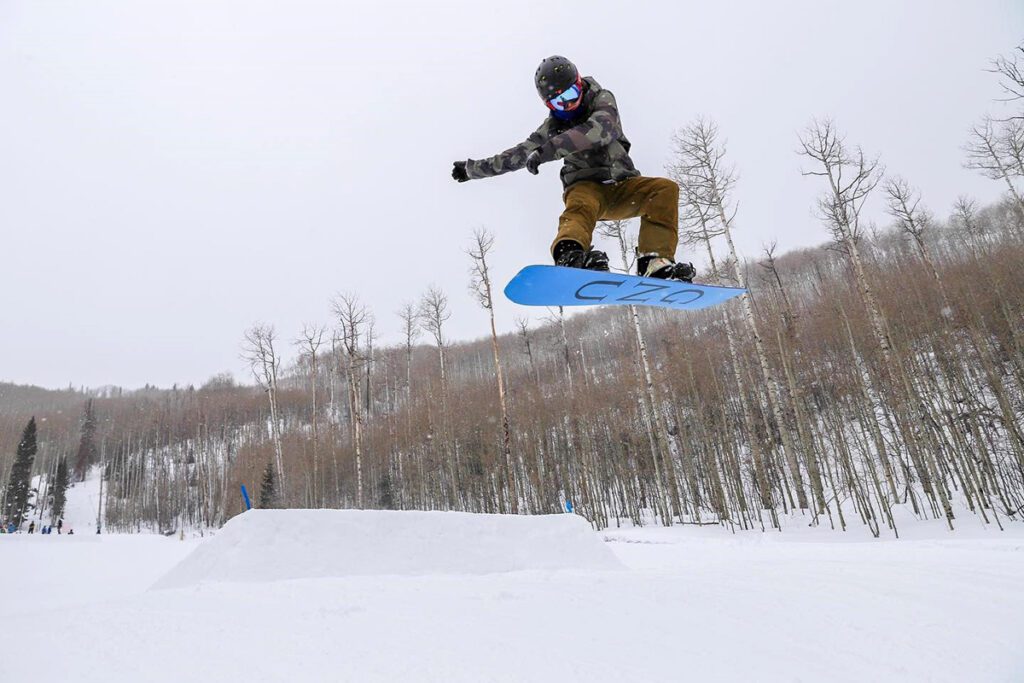
Sunlight Mountain Resort near Glenwood Springs is a quintessential small ski area, spanning 749 acres with a 2,010-foot vertical drop and 77 trails. Its terrain includes 16% beginner runs with wide greens perfect for learning, 29% intermediate blues for cruising, and 55% advanced and expert blacks and double blacks, featuring steep pitches up to 52 degrees, like The Heathen. Additionally, average annual snowfall reaches about 227 inches, providing excellent tree skiing and laid-back charm.
This ski area suits families and mixed-ability groups best. Beginners can build confidence on gentle slopes near the base, while intermediates enjoy flowing runs, and experts thrive on challenging glades and steep pitches. Furthermore, its budget-friendly vibe, free parking, and uncrowded slopes mean more quality time on the mountain. Unique perks, like affordable dining, enhance the authentic Colorado experience without the hype.
Overall, Sunlight’s community feel and diverse terrain ensure everyone leaves smiling, making it a top pick for value-driven adventurers.
Blog: Everything You Need to Know About Sunlight Mountain
Silverton Mountain, Colorado
This expert-only small ski area covers 26,819 acres (though much is hike-to or heli-accessed) with a 3,087-foot vertical drop and 69 trails, all rated 100% advanced/expert. No beginners or intermediates here—terrain is ungroomed, steep (up to 100% expert), with mandatory guides for most of the season, avalanche gear required, and a single chairlift accessing backcountry-style runs. Average snowfall exceeds 400 inches, creating deep powder fields and chutes.
Silverton appeals to thrill-seeking experts and advanced skiers/snowboarders who crave untracked lines and big-mountain challenges. Why? Its limited daily visitors (475 max) ensure fresh tracks, no crowds, and an authentic adventure feel, like heli-skiing without the helicopter price. The high elevation (up to 13,487 feet) and no-frills setup reward those with strong skills and stamina, offering a raw, exhilarating experience that’s unmatched in small ski areas for adrenaline junkies.
Wolf Creek Ski Area, Colorado
Situated near Pagosa Springs in southern Colorado, Wolf Creek Ski Area is a small ski area with 1,600 acres, a 1,604-foot vertical drop, and 144 trails. Difficulty splits as 20% beginner, 35% intermediate, 25% advanced, and 20% expert, with over 430 inches of average annual snowfall—the most in Colorado. Terrain includes wide greens for novices, blues for progression, and expert zones like Alberta Peak chutes and tree skiing.
Powder lovers and families enjoy it best: beginners have gentle areas, intermediates cruise groomers, and experts tackle hike-to bowls and steeps. Why? Its remote location means no crowds, endless fresh powder, and natural terrain variety, plus hot springs nearby for après-soak. As a small ski area, it offers affordable, uncrowded skiing with big-mountain feel, ideal for those seeking deep snow without resort pomp.
Lookout Pass, Idaho/Montana
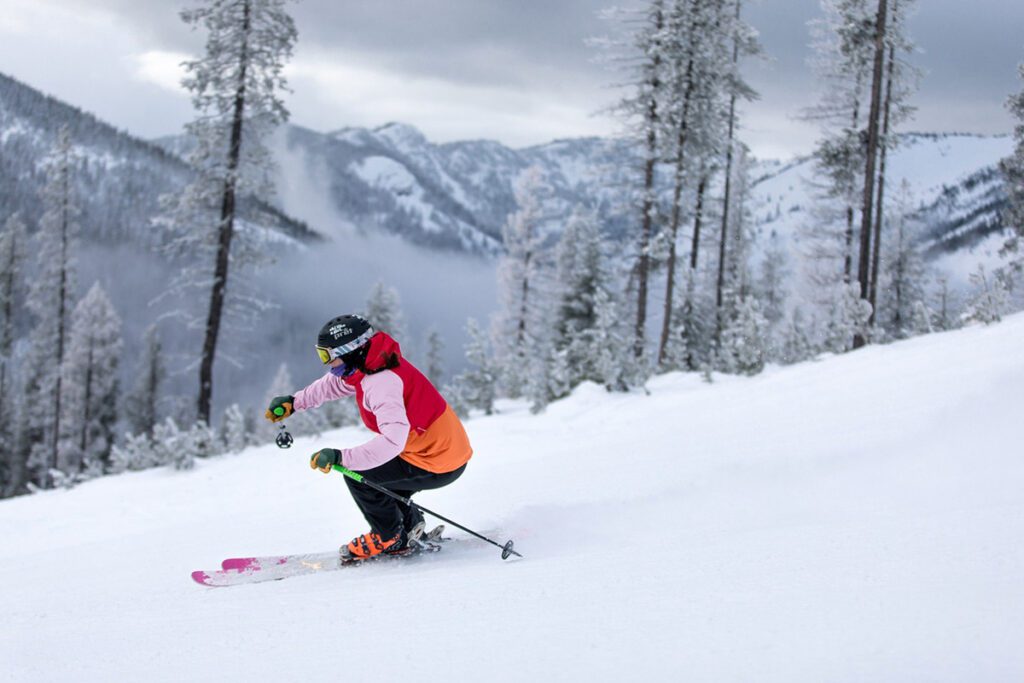
Straddling the Idaho-Montana border, Lookout Pass is a small ski area with 1,023 acres, 1,650-foot vertical, and 59 trails. Terrain: 14% easiest, 42% intermediate, 42% advanced, 2% expert, with over 450 inches of snowfall. It features beginner hills, gladed trees, and challenging steeps.
Families and all levels love it—beginners use dedicated lifts, intermediates explore wide runs, experts hit powder glades. Why? Its family-friendly vibe, stunning views, and light powder make it accessible yet exciting; as a small ski area, short lines and welcoming atmosphere suit learners and adventurers alike, with terrain parks adding fun for progression.
Grand Targhee Resort, Wyoming
Grand Targhee Resort offers 2,602 acres and a 2,270-foot vertical drop. It has about 95 trails for all skill levels. Terrain favors progression: 10–33% beginner, 37–70% intermediate. Advanced runs make up 15–30%, expert 5–11%. The resort receives 500+ inches of annual snowfall. Deep, light, dry “cold smoke” powder is reliable. Its weather-trapping location often outpaces nearby Jackson Hole.
The mountain spans two main peaks (Fred’s Mountain and Peaked Mountain), with open bowls, well-spaced glades, tree runs, groomed cruisers, and hike-to zones like Mary’s Nipple for extra fresh lines.
As a small ski area, Grand Targhee delivers big-mountain powder and immersive Teton scenery without crowds, high prices, or pretension—ideal for powder seekers, families, and anyone wanting authentic, hassle-free skiing in a laid-back Western setting.
Mad River Glen, Vermont
Mad River Glen spans 115 acres with a 2,037-foot vertical and 53 trails (20% novice, 35% intermediate, 45% expert). No snowboarding allowed; average snowfall 250 inches. Terrain follows natural contours: gentle novices, twisting intermediates, steep expert glades.
Ski purists and experts favor it for challenging, ungroomed runs and skier-owned ethos. Why? As a small ski area, low density and classic trails offer authentic New England skiing; families appreciate base layout, while pros tackle no-runout experts. Its single chairlift and natural snow focus create a timeless, community-driven experience.
Snowbowl, Arizona
Perched on the San Francisco Peaks near Flagstaff, Snowbowl is one of the Southwest’s premier small ski areas, offering 777 acres, a 2,300-foot vertical drop, and 55 trails. Terrain includes 37% beginner, 42% intermediate, and 21% advanced, with average snowfall of about 260 inches. Beginners thrive on wide, gentle greens and dedicated learning areas, while intermediates cruise long blues with panoramic views, and experts find challenge in steeper upper-mountain runs.
As a small ski area close to Phoenix (about 2.5 hours drive), it’s ideal for day trips or short getaways—families and beginners especially appreciate the accessible slopes, scenic volcano-side setting, and lack of massive crowds, making it a surprising gem for Southwestern skiers seeking reliable snow and a relaxed experience.
Magic Mountain, Vermont
Londonderry, Vermont’s Magic Mountain remains one of the Northeast’s most authentic small ski areas, with just 205 acres, a 1,500-foot vertical drop, and about 50 trails. Terrain is rated roughly 24% beginner, 32% intermediate, 16% advanced, and 28% expert, featuring classic narrow, twisting New England trails, dense glades, and natural snow preservation with minimal grooming on many runs. Average annual snowfall hovers around 100-130 inches, relying heavily on natural accumulation rather than heavy snowmaking, which can lead to variable conditions but epic powder days when storms hit. Steeps reach up to 45 degrees in expert zones, with boundary-to-boundary tree skiing that rewards exploration.
Intermediates and experts love it for the raw, unchanged 1960s-era challenge—think tight, fall-line runs and glades that feel like backcountry without leaving the resort. Beginners and families appreciate the base-area access and more approachable lower slopes, though the mountain’s steeper-than-average greens suit progressing skiers best.
As a small ski area, Magic delivers uncrowded thrills, a laid-back, unpretentious vibe, and a true skier’s paradise for those who prefer natural terrain over groomed perfection. It’s ideal for adventurous intermediates and experts seeking an old-school Vermont experience with minimal crowds.
Brundage Mountain, Idaho
Brundage Mountain in central Idaho covers 1,920 acres with a 1,921-foot vertical drop and features about 70 trails for all skill levels. Its difficulty splits include 21% easiest, 33% more difficult, and 46% most difficult. Consequently, beginners enjoy groomed cruisers, while intermediates find flowing blues. Meanwhile, experts tackle steep chutes, trees, and open bowls. Additionally, the area receives 320+ inches of light, dry snowfall annually. For adventure seekers, SnowCat-accessed backcountry adds 18,000 acres of untouched terrain, so advanced riders flock here for powder and expansive runs.
Beginners benefit from confidence-building zones near the base, and intermediates enjoy variety in groomers and glades. At the same time, powder hounds chase fresh tracks in trees and chutes. Families also appreciate the welcoming, uncrowded atmosphere and diverse options without long lift lines.
What makes this small ski area stand out is its independent ownership, which preserves a classic, laid-back Idaho feel while delivering exceptional snow quality, minimal crowds even on weekends, and big-mountain adventure at an affordable price. Overall, it suits all levels, especially powder seekers and families seeking authentic, hassle-free skiing in the stunning Payette National Forest.
Powderhorn Mountain, Colorado
On Colorado’s Grand Mesa near Mesa, Powderhorn Mountain Resort is family-oriented. The ski area offers 1,600 acres, 1,650 feet vertical, and 54 trails. Terrain favors beginners and intermediates, with some advanced options. Wide groomers, gentle greens, and light powder glades dominate. High-mesa views provide beautiful scenery throughout the mountain. Average snowfall reaches about 250 inches annually.
The layout funnels everyone into a central base area. Groups can easily meet up between runs.
Beginners and progressing skiers thrive on forgiving slopes and terrain parks (upper and lower), intermediates cruise long, flowing blues, and experts explore tree runs, bumps, and advanced glades. Families love it for the 70% beginner/intermediate focus, short lift lines, and welcoming vibe—ideal for multi-generational trips.
Powderhorn offers uncrowded days, affordable access, and relaxed all-day skiing. Skip crowds and overpriced extras while enjoying a laid-back mountain escape. Families and intermediates love reliable snow and breathtaking scenery. The setting sits on the world’s largest flattop mountain.
Bridger Bowl, Montana
Bridger Bowl is a locals’ favorite small ski area spanning 2,000 acres with a 2,600-foot vertical drop (including hike-to access) and 105 trails. Terrain includes 12% beginner, 28% intermediate, 18% advanced, and 42% expert, featuring wide groomed slopes, alpine glades, powder bowls, and legendary steep chutes. It averages 300-350 inches of annual snowfall, producing the light, fluffy “cold smoke” Montana is famous for. The highlight is the famous “Ridge” hike-to terrain—steep, expert-only chutes and open fields requiring avalanche gear for safety.
Beginners start on gentle base areas, intermediates progress on cruisers, and experts dominate the Ridge and glades for untracked powder. All levels can advance here thanks to diverse options and a strong community focus.
This nonprofit, community-owned ski area keeps crowds low and prices reasonable. Its authentic vibe suits locals and visiting skiers alike. Even near a college town, slopes remain uncrowded. Experts and powder chasers hike for fresh lines. Families and progressing riders find plenty of terrain to grow.
Red Lodge Mountain, Montana
Near Red Lodge, this small ski area spans 1,635 acres and features a 2,400-foot vertical drop with 70 trails. Its terrain offers options for beginners, intermediates, advanced, and expert skiers, although difficulty splits favor advanced and expert runs. Skiers can enjoy long groomers, gentle greens, and steep chutes, while drainages provide leg-burning runs and sidecountry challenges. Additionally, average annual snowfall reaches 250 to 280 inches.
For beginners and intermediates, wide blues and family-friendly learning zones create ideal practice areas, and a high-speed lift serves nearby beginner slopes. Meanwhile, experts tackle chutes, glades, and headwaters terrain, with the mountain’s layout supporting progression without overwhelming novices. Furthermore, uncrowded slopes and diverse runs suit families cruising groomers, while a friendly local atmosphere attracts experts seeking thrills.
Beyond the slopes, proximity to Red Lodge’s breweries and Western charm adds appealing après-ski options. Overall, as a small ski area, it delivers big variety on a personal scale—being affordable, welcoming, and perfect for all abilities who seek an authentic Montana experience without the crowds of larger resorts.
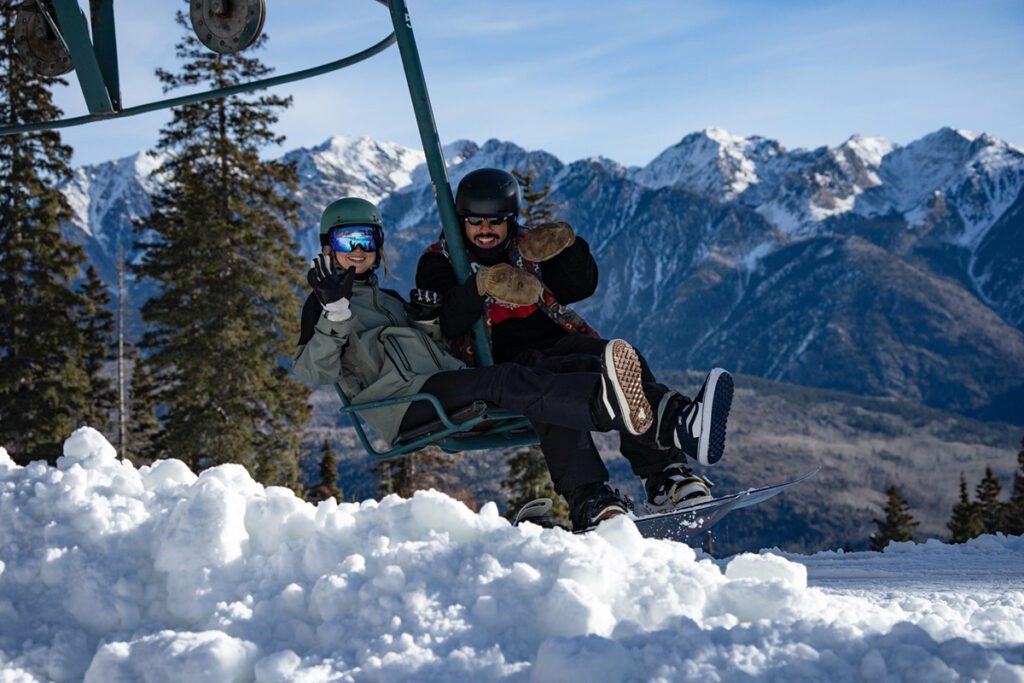
Purgatory Resort, Colorado
Located near Durango, Purgatory Resort is a small ski area with 1,605 acres, a 2,029-foot vertical drop, and 88 trails. Terrain splits include about 20% beginner, 45% intermediate, and 35% advanced/expert, with reliable snowfall around 300 inches annually. It features wide groomed blues, gentle greens at the base, and steeper tree runs and bowls higher up.
This small ski area suits beginners and intermediates with supportive, progressive terrain. Dedicated learning zones help novices build confidence before harder runs. Families enjoy uncrowded slopes, affordable tickets, and a welcoming atmosphere. Skip long resort lines and enjoy relaxed laps with mountain views. Perfect for quality snow time without crowds.
Small Ski Areas Have Deals, Too!
These small ski areas prove that bigger isn’t always better—each offers unique thrills, stunning scenery, and a welcoming atmosphere that keeps skiers coming back. From Colorado’s powder havens to Vermont’s classic steeps and Idaho’s family-friendly gems, North America’s small ski areas deliver epic experiences on a more personal scale.
Ready to hit the slopes? Search our current ski deals, discounts, and promo codes for savings at these and other top North American resorts.
Related Blogs
Ready to plan that dream ski vacation? We have more tips and tricks to help you out. Check out these related blogs!