Silverton Skiing in Western Colorado
Silverton Mountain stands out as one of the most raw and exhilarating experiences in North America. Tucked high in Colorado’s San Juan Mountains, Silverton skiing delivers true lift-served backcountry terrain that feels worlds away from the groomed cruisers and family-oriented slopes found at many western Colorado resorts. With no beginner or intermediate runs, no grooming beyond avalanche control, and a strict cap on daily visitors, Silverton skiing appeals to advanced and expert skiers and snowboarders seeking deep powder, steep lines, and solitude.
This guide covers everything you need to plan a trip focused on Silverton skiing — from terrain and operations to lodging, dining, rentals, and non-ski activities — highlighting what makes it uniquely challenging and rewarding compared to neighbors like Telluride or Purgatory.
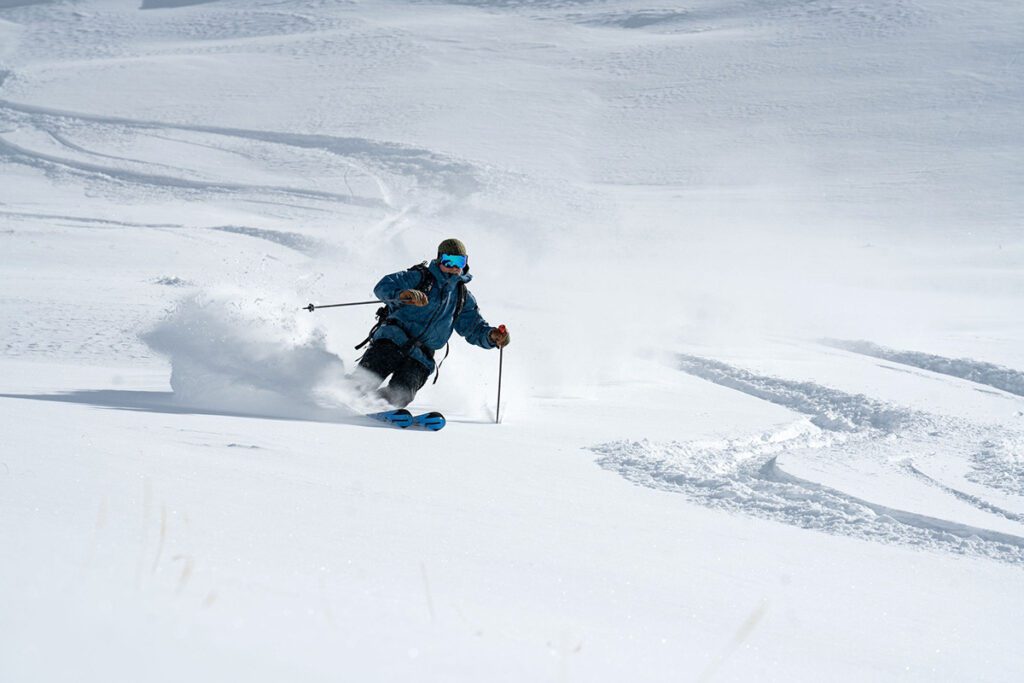
Overview and Brief History
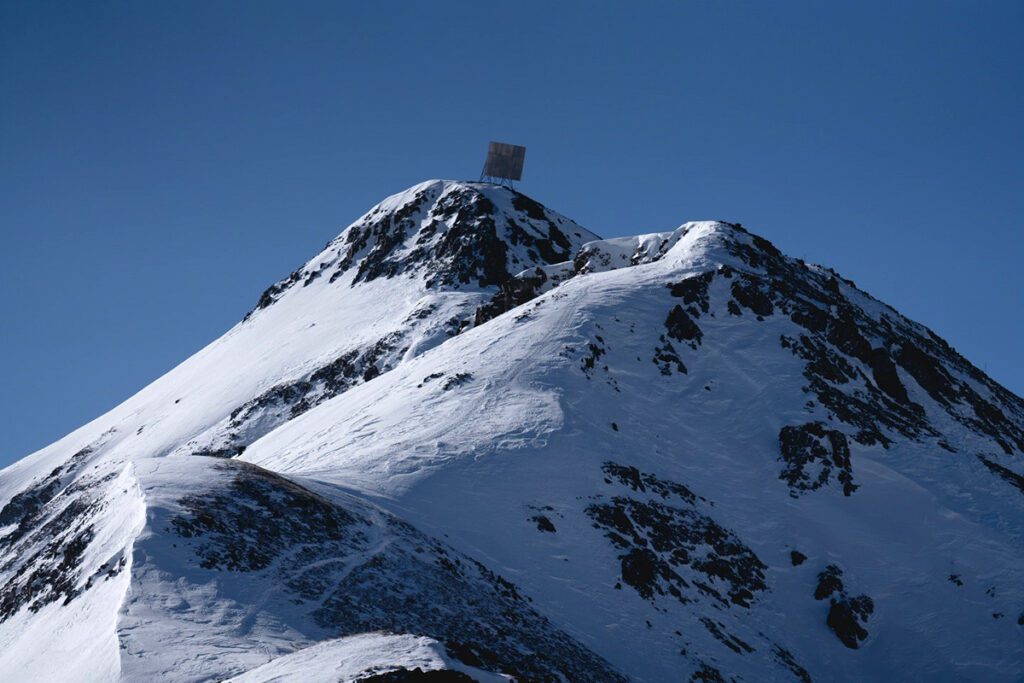
Silverton skiing takes place in the historic mining town of Silverton, at a base elevation of around 10,400 feet. The mountain opened in 2002 and quickly earned a reputation as North America’s highest and steepest ski area, with a peak elevation of 13,487 feet. Unlike traditional resorts, Silverton Mountain operates more like a guided or unguided backcountry operation with a single chairlift providing access. Its remote location along the scenic Million Dollar Highway adds to the adventure, setting it apart from more accessible and developed western Colorado destinations.
What Makes Silverton Skiing Unique
Silverton skiing is in a league of its own among western Colorado ski areas. While resorts like Telluride offer a mix of groomed runs, luxury amenities, and beginner-friendly terrain, Silverton has zero percent beginner or intermediate runs — it’s 100% advanced and expert. The mountain features no cut runs or grooming (aside from necessary avalanche mitigation), leaving everything in its natural state with chutes, bowls, cliffs, and tree lines. A single double chairlift provides access, requiring significant hiking to reach the best lines, unlike the high-speed quad networks at places like Aspen or Purgatory.
Daily skier limits (typically under 475 for unguided access, often far fewer) ensure uncrowded conditions, even on powder days — a stark contrast to busier resorts where lift lines and tracked-out snow are common. Early season requires guided groups for safety due to avalanche risk, transitioning to unguided options later. This “hut-trip-with-a-chairlift” feel delivers authentic backcountry thrills without multi-day commitments, making Silverton skiing ideal for those who crave challenge and solitude over convenience and variety.
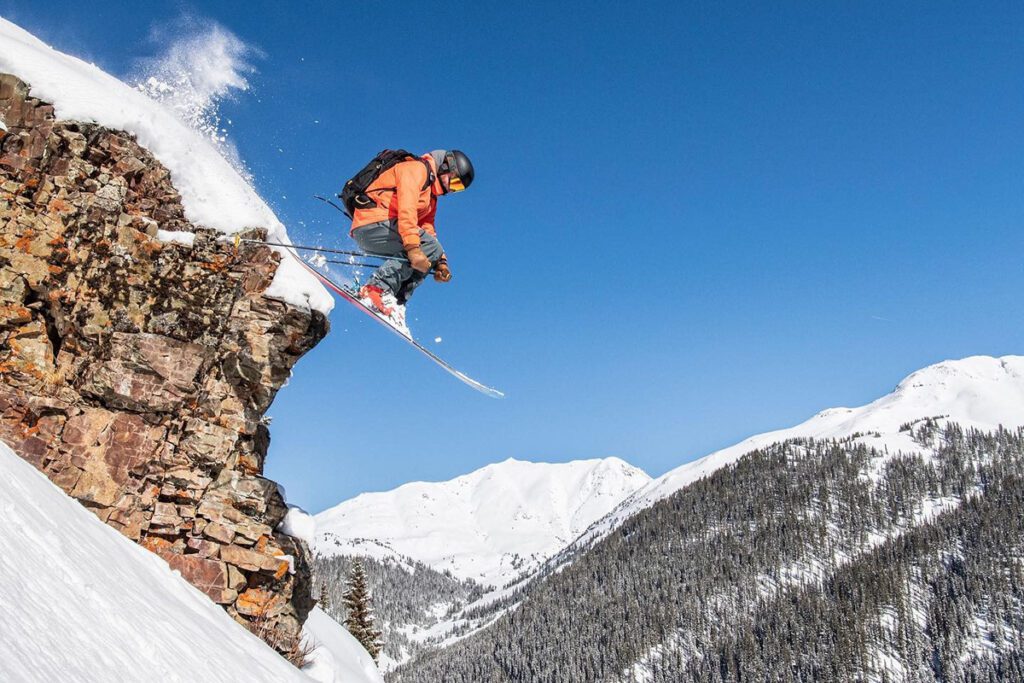
Terrain and Snow Condition
Silverton skiing offers vast terrain within a permitted area of over 26,000 acres, though the primary lift-served focus centers on about 1,819 acres of descents radiating from the chair. The vertical drop from the lift unload (12,300 feet) is 1,900 feet, but with ridge hiking to the true summit (13,487 feet), single runs can exceed 3,000 feet of vertical. Expect steep bowls, tight chutes, open faces, cliff drops, and powder-filled trees — all expert-level.
The area receives an average annual snowfall of over 400 inches, thanks to its high-alpine position in the San Juans. Snow quality often stays fresh for days or weeks due to low skier traffic and aspect variety; new terrain opens progressively after storms. Avalanche awareness is essential — carry and know how to use beacon, shovel, and probe — as conditions demand respect. Compared to groomed western Colorado resorts, Silverton skiing provides unmatched deep-snow freedom and big-mountain adventure.
Lifts, Operations, Hours, and Open/Close Dates
Silverton skiing revolves around one double chairlift that unloads at 12,300 feet. No high-speed lifts or night skiing exist here — the focus stays on full-day epic runs in daylight.
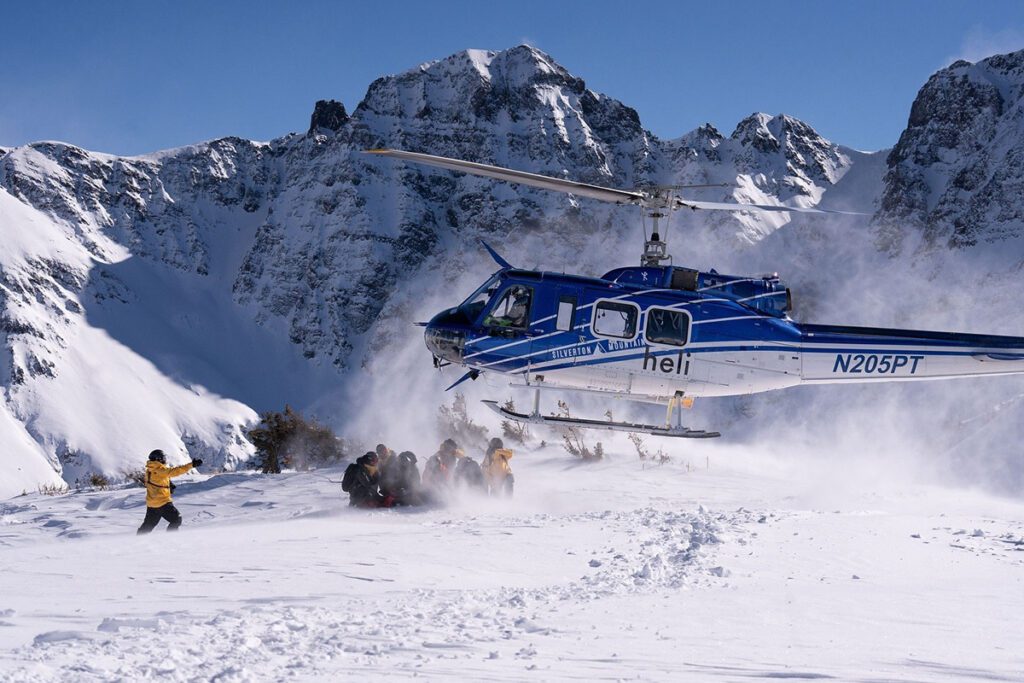
The season typically runs from late December to mid-April, weather and snow permitting (historically opening around late December and closing in early to mid-April). Early season (usually December through mid-March) is guided-only on select days (often Thursday–Sunday), with unguided access opening later in spring (typically mid-March onward). Lift operations generally start around 9 a.m., with uploads ending in the early afternoon (around 3 p.m.). Heli-skiing add-ons are available for even bigger vert. Advance booking is recommended, especially for guided days, to secure your spot for Silverton skiing.
Essential Planning Tips
Reaching Silverton skiing usually means driving the scenic (and sometimes challenging) Million Dollar Highway from Durango (about 1 hour) or other nearby towns. The closest major airport is Durango-La Plata County Airport. In winter, check road conditions — chains or 4WD may be necessary.
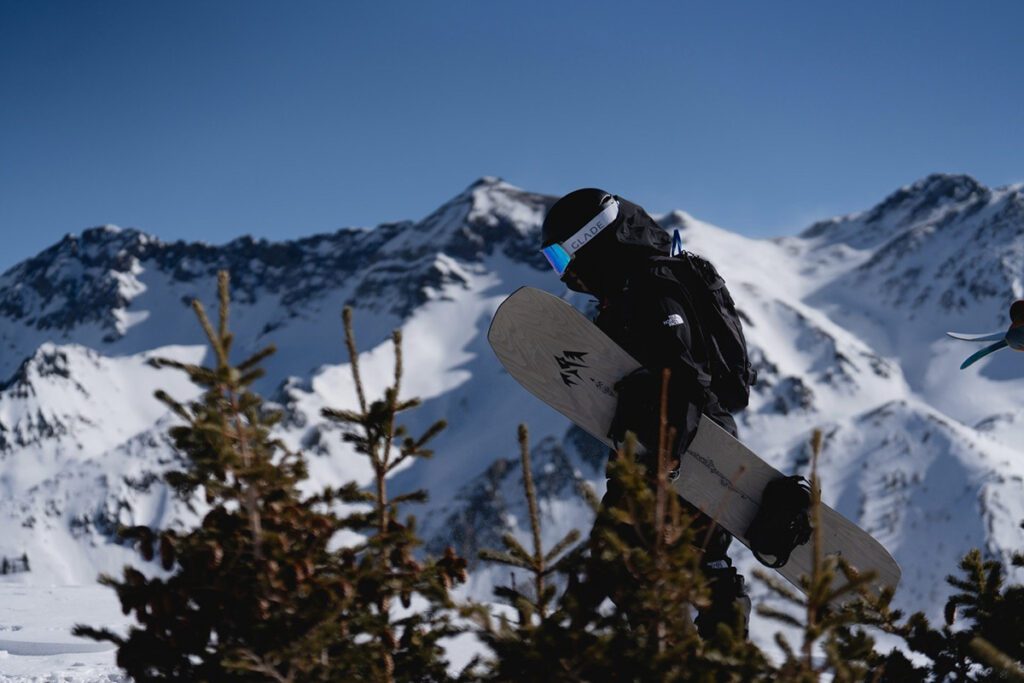
Preparation is key: Silverton skiing demands expert ability in variable, steep, and uncontrolled terrain. Mandatory avalanche safety gear (beacon, shovel, probe) is required; rentals are available on-mountain. Bring wide powder skis or boards, appropriate layers for high elevation and changing weather, and sun protection. Check forecasts and avalanche bulletins daily. This remote setup rewards those who plan ahead for a safe, unforgettable Silverton skiing experience.
Where to Stay
Silverton offers charming, historic lodging options in town, just minutes from the mountain base. Iconic choices include the Grand Imperial Hotel (Victorian elegance with modern comforts), Teller House Hotel, Bent Elbow Hotel, and Wyman Hotel. More budget-friendly motels like Triangle Motel or Altus Lodge provide cozy stays, while Silverton Lodge offers convenience.
For a home-like feel, consider cabins or VRBO rentals — many historic homes or modern retreats within walking distance of town and the mountain shuttle. RV parking is also available nearby. Options range from affordable to upscale, emphasizing the old-mining-town atmosphere that complements the rugged Silverton skiing vibe.
Where to Eat
After a day of Silverton skiing, refuel in Silverton’s compact, welcoming dining scene. Handlebars Restaurant & Saloon serves hearty burgers, steaks, and pub fare in a lively historic setting. Pickle Barrel offers casual lunches and dinners with local flavor. Kendall Mountain Cafe provides quick sandwiches and coffee, while Lacey Rose Saloon (inside the Grand Imperial) delivers craft cocktails and elevated plates.
Alpine Tavern combines food, drinks, and occasional entertainment. For lighter options, grab coffee or snacks at spots like Coffee Bear or Eureka Station. Expect no-frills, satisfying meals that fuel recovery and match the straightforward spirit of Silverton skiing.
Ski Gear Rentals
On-mountain rentals at Silverton Mountain cater specifically to the terrain: fat powder skis (like K2s), wide snowboards, avalanche airbag packs, beacons, shovels, probes, and backpacks. Nearby Kendall Mountain offers additional skis, snowboards, and gear.
Durango shops provide more options if needed. For Silverton skiing, prioritize wide skis or boards for deep snow, touring setups if hiking extensively, and proper safety equipment. Renting on-site simplifies logistics, though bringing personal gear works for those familiar with big-mountain needs.
What to Do When You’re Not Skiing
Silverton skiing pairs well with off-slope winter activities in this historic mountain town. Explore the downtown mining heritage with visits to museums or a stroll through Victorian-era streets. Kendall Mountain Recreation Area offers gentler family options like tubing, ice skating, or limited beginner skiing.
Snowmobiling on over 100 miles of groomed trails, snowshoeing, cross-country skiing, or fat-tire biking provide variety. Nearby Ouray features natural hot springs and ice climbing. Winter events, such as skijoring, add local flavor. These activities make Silverton skiing part of a complete San Juan Mountains winter escape.
Silverton Ski Deals
Ready to hit the slopes? You can save on different aspects of your trip — including lift tickets, lodging, ski rentals, and more — by browsing our current Silverton ski deals.
Related Blogs
Do you like Colorado skiing and big action? Check out these related blogs to learn more!