Fernie Alpine Skiing in British Columbia
Fernie Alpine Resort offers an exceptional ski experience known for its legendary powder and expansive terrain. As part of the famed Powder Highway in the Kootenay Rockies of British Columbia, Fernie Alpine skiing stands out for its deep, dry snow, vast bowls, and relatively uncrowded slopes compared to larger BC destinations like Whistler.
This guide provides all the essential details to help skiers and snowboarders plan a trip. In it, we’ll highlight what makes Fernie Alpine skiing shine among British Columbia resorts.
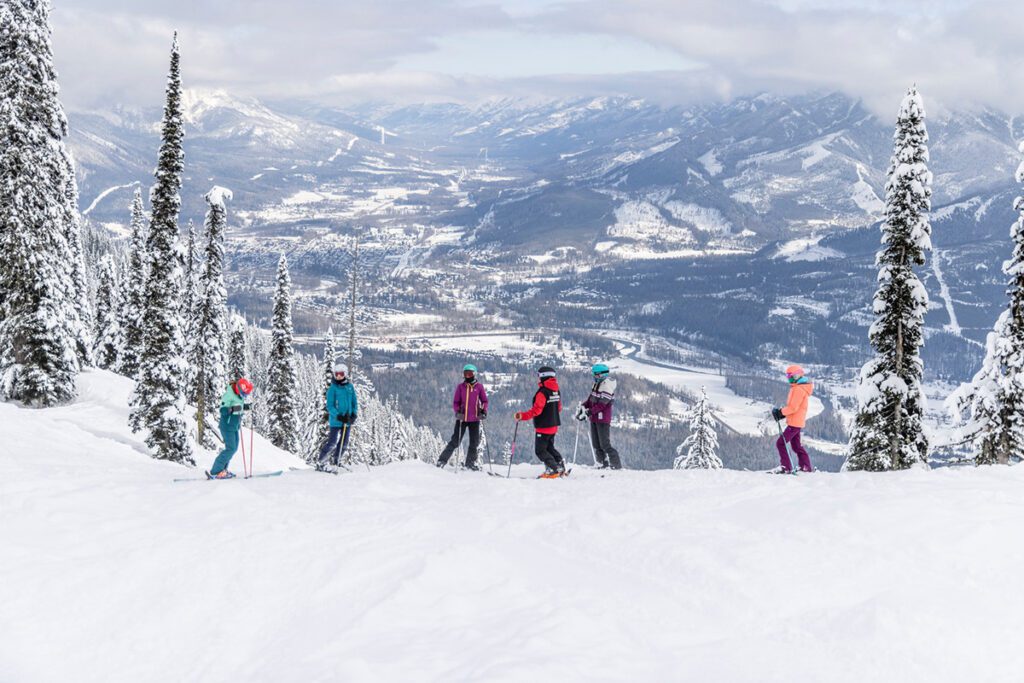
What Makes Fernie Alpine Skiing Unique
Fernie Alpine skiing distinguishes itself through its focus on steep, deep powder in five legendary alpine bowls, combined with a laid-back, authentic mountain town vibe. Unlike the high-energy, resort-heavy atmosphere at Whistler, Fernie remains less crowded and more community-oriented, attracting a mix of powder hounds, families, and adventure seekers without the pretension found at some bigger names.
The resort benefits from a unique microclimate that delivers light, dry snow—averaging around 29 feet (about 9 meters) annually, with peaks up to 37 feet in strong years. This creates consistent, bottomless turns in ungroomed areas. Compared to other Powder Highway spots like Revelstoke or Red Mountain, Fernie offers more bowl-oriented terrain with hike-to options and traverses, while still providing groomed runs and beginner-friendly zones. The higher percentage of expert and advanced terrain (around 50-53% combined advanced/expert/extreme) appeals to those seeking challenging lines, yet the mountain’s natural contours and glades ensure enjoyable skiing for all levels.
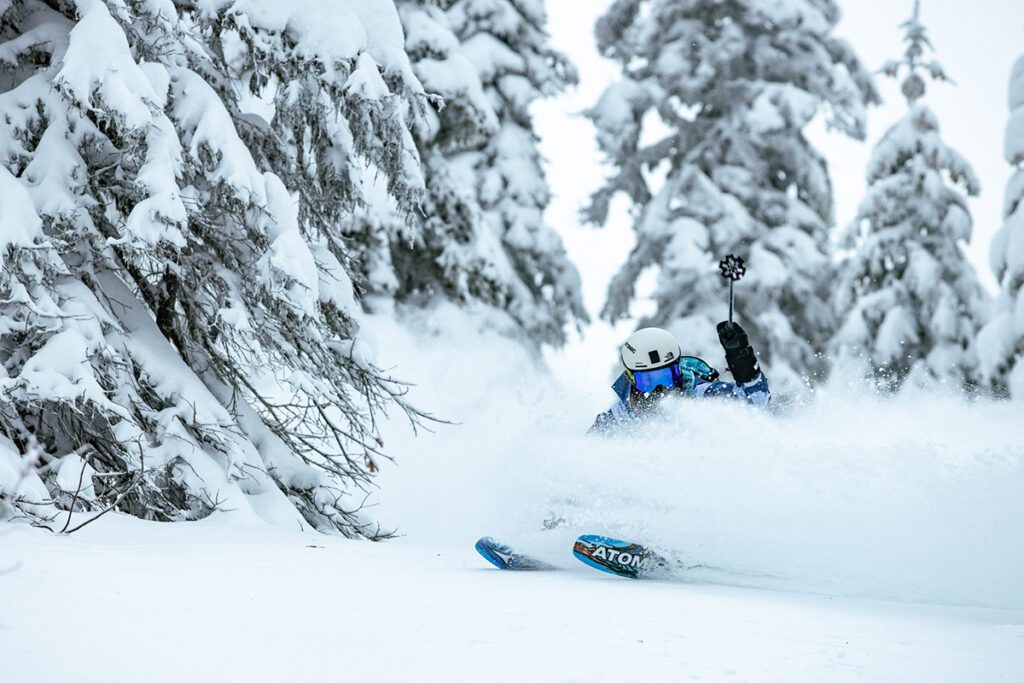
Exploring the Terrain
Fernie Alpine Resort spans over 2,500 acres of skiable terrain, with about 146 named runs plus five alpine bowls and extensive tree skiing. The vertical drop is 3,550 feet, from a summit elevation of 7,000 feet to a base of 3,450 feet.
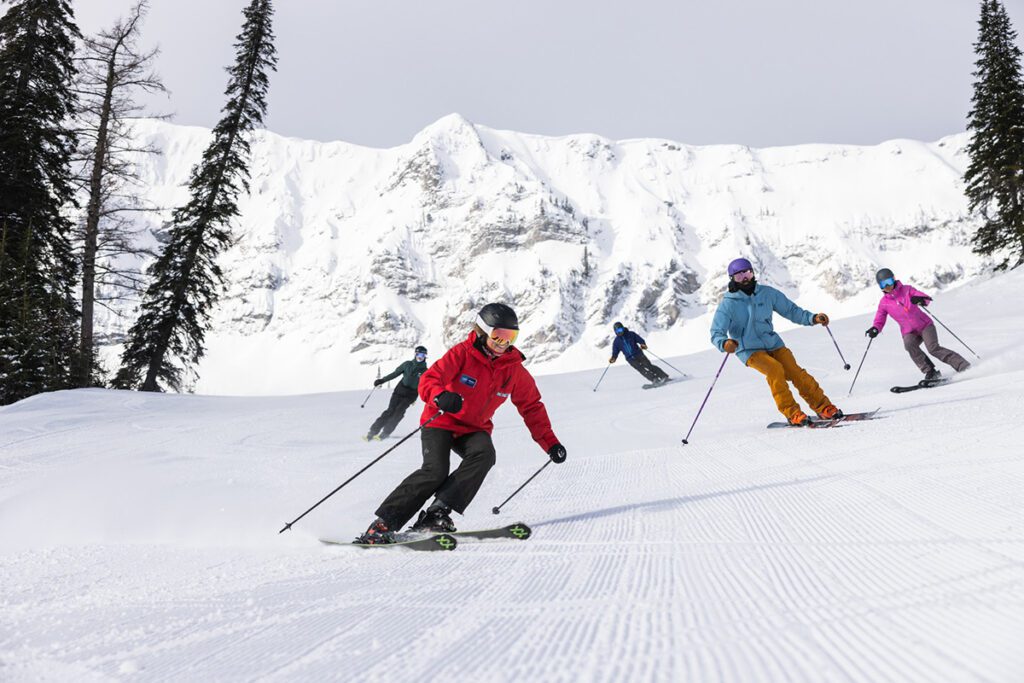
The terrain breaks down roughly as follows: 13-15% novice, 30% intermediate, 32% advanced, 21% expert, and some extreme areas. Beginners enjoy gentle slopes near the base, including the Mighty Moose area. Intermediates find groomed cruisers like Falling Star (the longest run at 3 miles/5 km) and Gilmar Trail. Advanced and expert skiers thrive in the five bowls—Currie, Lizard, Cedar, Timber, and Polar Peak—known for steep chutes, pillows, and open powder fields. Polar Peak offers extreme drops and hike-accessed lines, while gladed zones provide sheltered tree skiing even on stormy days. The mountain’s layout encourages natural flow, with traverses opening up fresh stashes after storms.
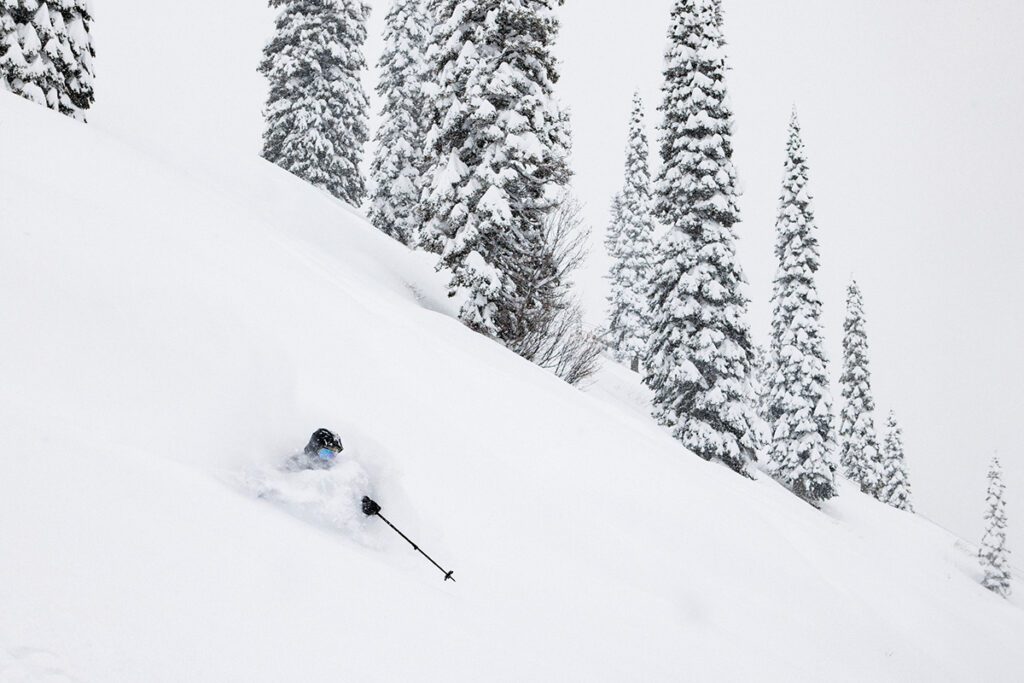
Ski Lifts and Mountain Facilities
The resort operates 10 lifts, including 2 high-speed quads (such as Timber Express), 2 regular quads, 3 triples, and 3 surface lifts (including the Mighty Moose for beginners). Lift capacity handles around 14,000-15,000 skiers per hour. This helps keep wait times minimal despite the vast terrain.
Key facilities include the base area with convenient parking, rental shops, and quick-service options. On-mountain, the Griz Daylodge and other spots offer warming areas. Grooming typically covers a good portion of runs daily, with 125 acres of snowmaking support. The setup prioritizes access to the bowls via dedicated lifts like Polar Peak, ensuring efficient exploration of Fernie Alpine skiing’s highlights.
Season Dates
Fernie Alpine typically operates from early December to mid-April, aligning with reliable snowfall patterns that peak from December through March. The season often sees the first openings in late November or early December, depending on conditions, with closing around mid-April.
Average annual snowfall reaches about 29 feet (9 meters), spread over roughly 65 snowfall days. Temperatures average -5°C (23°F) in winter. This consistency supports excellent base depths through the core months.
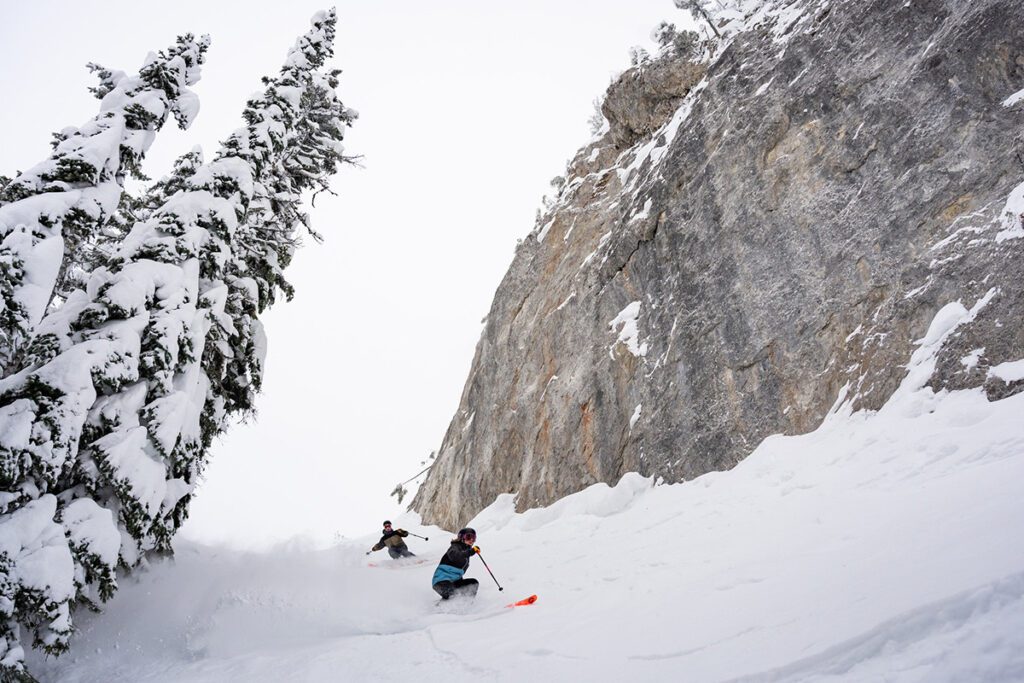
Night Skiing
Night skiing is available on the beginner-friendly Mighty Moose lift every Saturday from 4-9 PM (typically from late December to early April). There are also select holiday periods like December 26-January 3 and mid-February long weekends. Daytime lift tickets are valid for the evening session, or separate night tickets can be purchased at the resort rental shop.
Where to Stay
Accommodations range from on-mountain convenience to charming in-town options, about a 10-minute drive away.
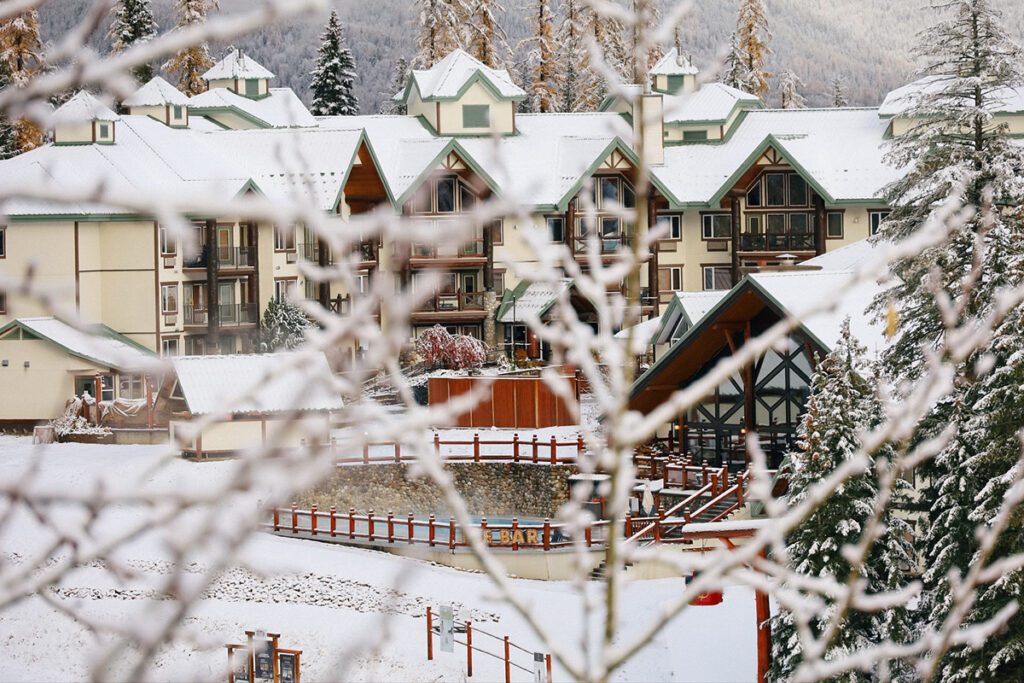
On-mountain choices include ski-in/ski-out properties like Lizard Creek Lodge (luxury with spa, pool, and fine dining) or the Griz Inn (more budget-friendly condos and rooms). These provide direct slope access and proximity to lifts.
In downtown Fernie, historic areas around 2nd Avenue offer walkable access to shops and restaurants. Options include mid-range spots like the Fernie Fox Hotel or Best Western Fernie Mountain Lodge (with suites and amenities), budget-friendly Stanford Resort, or hostels like Raging Elk. Town stays suit those wanting a vibrant après scene and easier non-ski activities. Book early for peak winter weekends to secure the best rates and availability.
Dining Options
On-mountain dining includes Cirque Restaurant for upscale meals with mountain views (great for dinner or après), the Griz Bar for legendary casual vibes (ice-cold drafts, nachos, and the famous Mogul Smoker), plus quick options like Legends, Lost Boys Cafe, and Slopeside Coffee & Deli.
In town, Fernie boasts diverse, non-pretentious eateries emphasizing fresh, local ingredients. Popular spots feature sushi at Yamagoya, international flavors at Himalayan Spice Bistro or Nevados Tapas & Tequila, pub fare at The Brickhouse or Bridge Bistro (riverside views), and modern Mexican at Chilango. Après thrives at places like the Griz Bar (with live music on weekends) or cozy lounges. The scene offers everything from fine dining to family-friendly pubs and craft beer spots.
Where to Rent Ski Gear
Gear rental is straightforward at the resort’s Fernie Alpine Resort Rental Shop, offering high-quality skis, snowboards, boots, helmets, and clothing packages with demo options for testing.
Downtown Fernie has excellent alternatives like GearHub Sports (highly rated for skis, boots, and service), All-In Skier Services, or GearHub Adventure Rentals. These shops provide competitive pricing, repairs, and expert advice. Renting in advance for groups or during busy periods is recommended, and many include accessories for convenience.
What to Do When You’re Not Skiing
Beyond the slopes, Fernie offers plenty of winter activities. Outdoor pursuits include snowshoeing or hiking to spots like Fairy Creek Falls or Montane Hut, fat biking on groomed trails, cross-country skiing at the Elk Valley Nordic Centre, or guided snowmobiling.
Family-friendly options feature dog sledding, ice skating at outdoor rinks or the aquatic centre, or winter walks in Mount Fernie Provincial Park. For relaxation, enjoy spa treatments at Lizard Creek Lodge or explore the historic downtown with its galleries, museums, and walking tours.
Fernie Alpine Ski Deals
Ready to hit the slopes? Save on your by browsing our current Fernie Alpine ski deals on lift tickets, lodging, rentals, and more. We are your go-to for North American ski savings.
Related Blogs
Looking for more? Check out these related blogs. Click a link below to read more.