Alta Skiing in Utah: Everything You Need to Know
Alta Ski Area stands out as one of the most authentic powder experiences in North America. Perched high in Utah’s Little Cottonwood Canyon, Alta skiing delivers legendary “Greatest Snow on Earth” conditions that draw dedicated skiers from around the world. Just about 45 minutes from Salt Lake City International Airport, this skier-only destination (no snowboarding allowed) emphasizes pure skiing over flashy amenities, creating a timeless mountain vibe unlike many other Utah or Western resorts.
It doesn’t matter if you’re a beginner eyeing gentle groomers or an expert hunting steep chutes, Alta skiing offers something special. Its focus on deep powder, challenging terrain, and a no-frills approach sets it apart from nearby spots like Snowbird (which allows snowboarding and has more modern facilities) or Park City (with extensive luxury and nightlife).
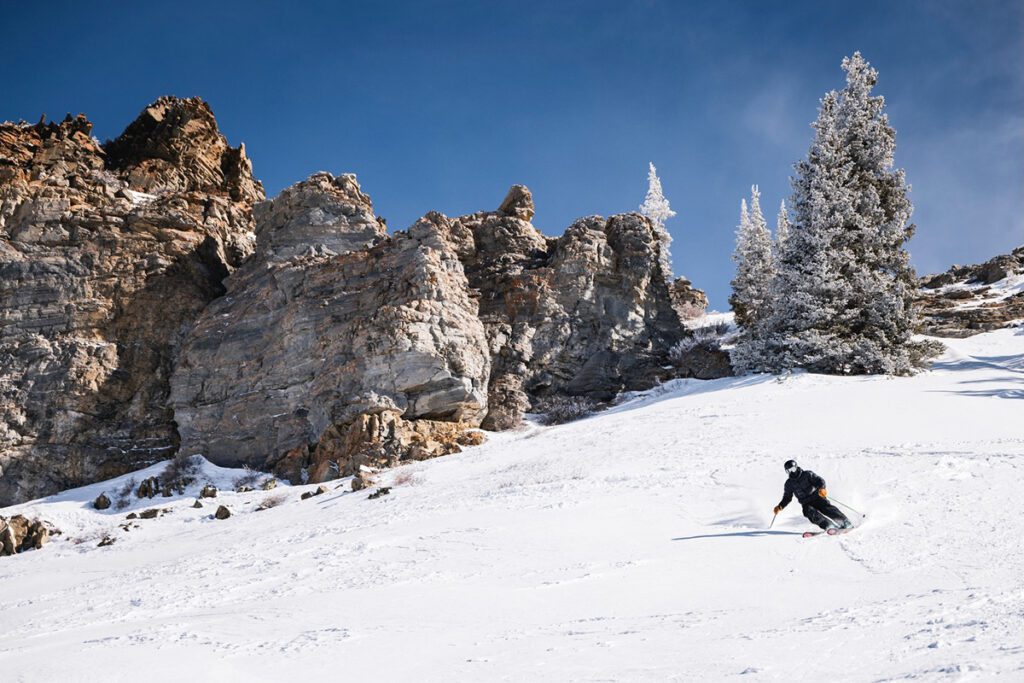
In this comprehensive ski planner, we cover all the essentials for an Alta skiing trip, from terrain details to practical tips, so you can hit the slopes prepared.
What Makes Alta Unique
Alta skiing traces its roots back to 1939, when the area opened as one of the oldest ski destinations in the U.S. Today, it remains family-owned and independently operated, preserving a classic, unpretentious feel that prioritizes the mountain experience over commercial development.
The skier-only policy is a defining feature—no snowboards are permitted, fostering a community centered entirely on skiing. This contrasts with most Utah resorts, where snowboarding is standard. Alta skiing attracts purists who value uncrowded powder lines and a quieter atmosphere.
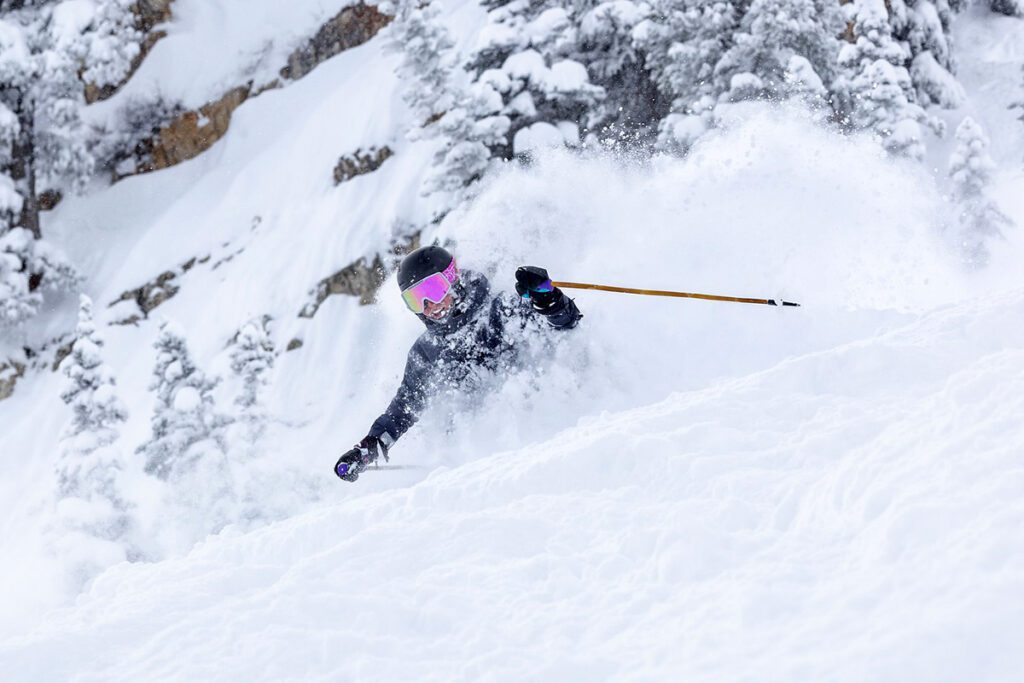
Snowfall is another hallmark, averaging around 545-550 inches annually, thanks to the area’s position in the Wasatch Mountains’ microclimate. Storms often deliver light, dry powder that stacks up deep, offering more consistent big-mountain conditions than many Colorado or California resorts. Alta skiing isn’t about groomed cruisers or après-ski parties; it’s about earning turns in fresh snow on steep, fall-line runs.
The Terrain
Alta skiing spans 2,614 skiable acres with a vertical drop of 2,538 feet, from a base elevation of 8,530 feet to a summit of 11,068 feet. The mountain features 118 trails. The breakdown is roughly 15% beginner, 30% intermediate, and 55% advanced/expert.
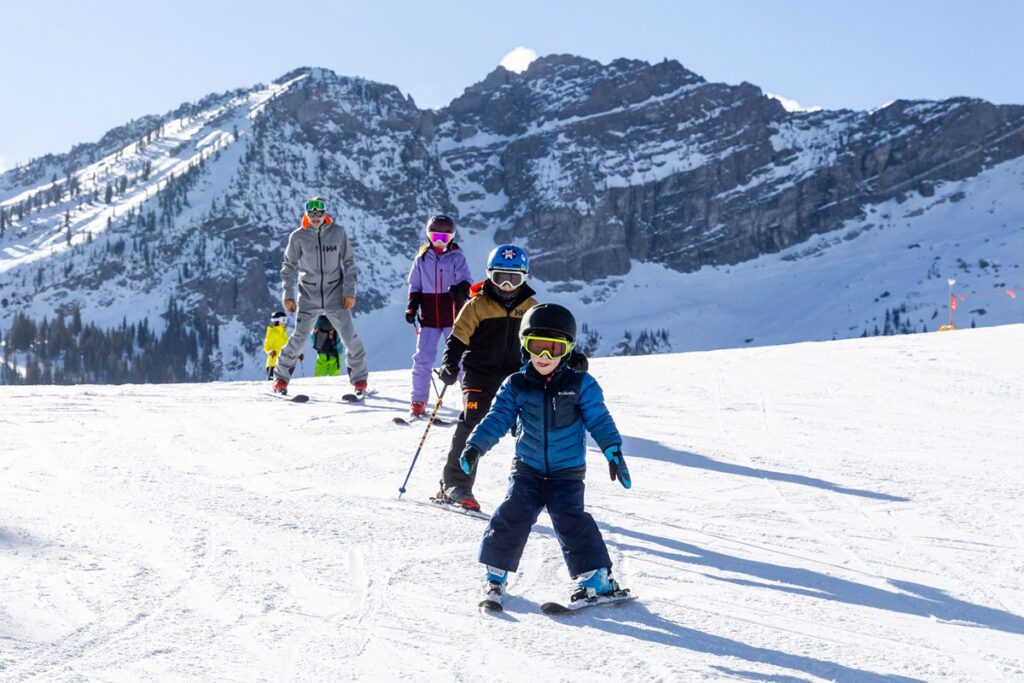
Beginners find welcoming areas around the Sunnyside lift. The area sports gentle, wide groomers and conveyor-assisted learning zones ideal for building confidence in powder conditions. Intermediates enjoy rolling terrain in Albion Basin and groomed runs off Supreme and Sugarloaf. Here, you can link turns through varied pitches.
Experts thrive on Alta skiing’s steep, deep offerings. Iconic lines include High Rustler, Alf’s High Rustler, Eddie’s High Nowhere, Stone Crusher, and the Baldy Chutes. These are all long, fall-line descents filled with powder and off-piste opportunities. Hike-to terrain like the High Traverse opens up even more adventure, with tree skiing and bowls that reward strong skiers.
Ski Lifts
Alta skiing features an efficient lift system with five main chairlifts (including high-speed quads and a six-pack) plus surface lifts and conveyors for beginners. Key lifts include Collins and Wildcat for accessing central and classic terrain, Sunnyside for easier slopes, Supreme for powder playgrounds, and Sugarloaf for varied intermediate and advanced runs.
The layout keeps wait times reasonable, even on powder days, with quick access from base areas. Lifts typically operate from around 9:15 a.m. to 4:00-4:30 p.m., depending on the lift. This setup supports smooth navigation across the mountain, letting you focus on the skiing rather than long queues common at busier Western destinations.
Season Hours
The Alta skiing season generally runs from late November to mid-April, with over 140 operating days on average, though exact dates depend on snowfall. Peak powder months are December through March, when the deepest accumulations arrive.
Daily hours are typically 9:15 a.m. to 4:30 p.m., providing plenty of daylight for full days on the slopes.
For the best Alta skiing, plan around mid-winter storms, but the mountain’s high elevation and north-facing aspects help preserve snow well into spring.
Where to Stay
Lodging for Alta skiing centers on on-mountain options in the town of Alta, offering true ski-in/ski-out convenience. Historic lodges like Alta Lodge (a classic since 1940), Rustler Lodge (with rustic charm and amenities like an outdoor heated pool), Snowpine Lodge (modern finishes and family-friendly vibe), and others provide cozy rooms, on-site dining, and direct slope access.
These lodges emphasize mountain immersion with simpler, welcoming atmospheres rather than large-scale luxury found at places like Deer Valley. For more budget-friendly choices, consider hotels or vacation rentals in nearby Little Cottonwood Canyon or Salt Lake City areas, with easy shuttle access up the canyon.
Booking early is key, especially for peak winter weeks, as on-mountain spots fill quickly.
Where to Eat
Alta skiing fuel comes from straightforward, hearty options that keep you energized without pulling you off the mountain for long. On-mountain spots include cafeterias and quick-service areas at base lodges, like Watson’s Shelter or Albion Grill, serving soups, sandwiches, burgers, and coffee.
For a sit-down lunch, the Collins Grill offers upscale European-style fare with local ingredients, such as grilled meats, trout, and seasonal specials. Base-area lodges provide breakfast, lunch, and après options, from casual pub fare to more refined dinners.
Alta’s dining scene stays skier-focused—simple, reliable, and mountain-view oriented—unlike the extensive gourmet or nightlife dining at resorts like Park City. Many visitors pack snacks or enjoy lodge picnics to maximize slope time.
Renting Ski Gear
Alta skiing demands gear suited to powder and variable conditions. The resort’s Alta Ski Shops (in Albion Day Lodge and Wildcat areas) offer full-service rentals, including demo packages for trying the latest skis, boots, and accessories. Online reservations make pickup easy, and you can swap gear mid-trip if conditions change.
Nearby options in the canyon or Salt Lake City provide additional variety. Renting on-site ensures equipment matched to Alta’s steep, deep terrain, giving an edge over basic setups at other spots.
Off-Slope Activities
Alta skiing dominates most days, but rest or non-ski options exist. Snowshoeing or winter hiking trails in the surrounding Wasatch National Forest offer scenic outings. Lodge spas provide relaxation with massages or hot tubs after long days.
In the canyon, enjoy quiet drives or occasional mountain events. For variety, head to Salt Lake City (about an hour away) for museums, dining, or hot springs. These activities complement Alta skiing by allowing recovery amid stunning alpine surroundings, without the high-energy adventure focus of some other Western resorts.
Alta Ski Deals
To save on different aspects of your trip, browse our current Alta ski deals.
Related Blogs
Save money on your ski trip. We can help! Click on a related blog for more insights!