Ski Slang You Should Know Before Hitting the Slopes
Heading to the mountains for your first ski or snowboard trip? The thrill of fresh snow, sweeping views, and that rush down the hill is unbeatable. But if you’ve ever ridden a chairlift and overheard riders chatting about “shredding pow,” going “off-piste,” or suffering a “yard sale,” you might feel like everyone’s speaking a secret language full of ski slang.
Don’t worry — this guide to ski slang is your decoder ring. Skiing and snowboarding have their own unique ski slang: a mix of technical terms, playful phrases, and mountain lingo passed down through generations of enthusiasts. Whether you’re at a top North American resort like Whistler, Vail, or Killington, mastering this ski slang will help you understand trail signs, join lift-line conversations, and feel more at home on the slopes.
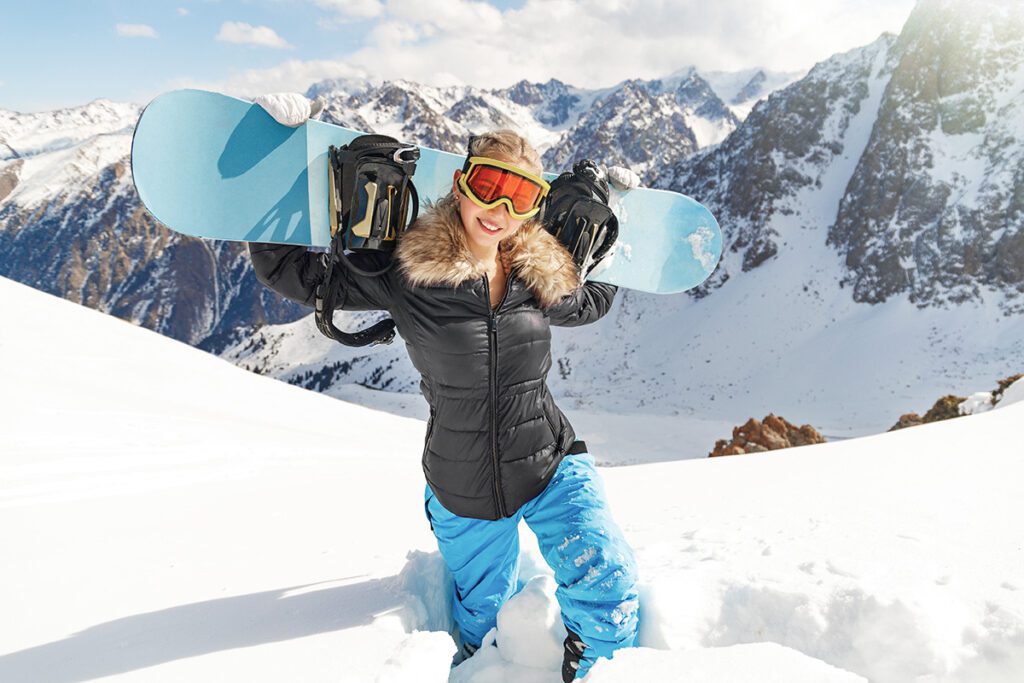
In this ski slang glossary, we’ve focused on the most common terms beginners will hear or see on the mountain. We’ve kept explanations simple and beginner-friendly so you can quickly get up to speed with essential ski slang.
Ultimate Ski Slang Glossary
Here’s your go-to list of ski slang terms, organized alphabetically for easy reference:
Après-Ski
The best part of the day for many — the social scene right after skiing. Picture kicking off your boots in a cozy lodge, grabbing a hot toddy, beer, or cocoa, and swapping stories with friends. This classic ski slang term captures the relaxation and good vibes that follow a day on the hill.
Bunny Hill
The gentle, low-angle area at the base of most resorts, designed for absolute beginners. It’s where you’ll practice basics without intimidating steeps—think magic carpet lifts and short, easy runs. A staple in beginner ski slang.
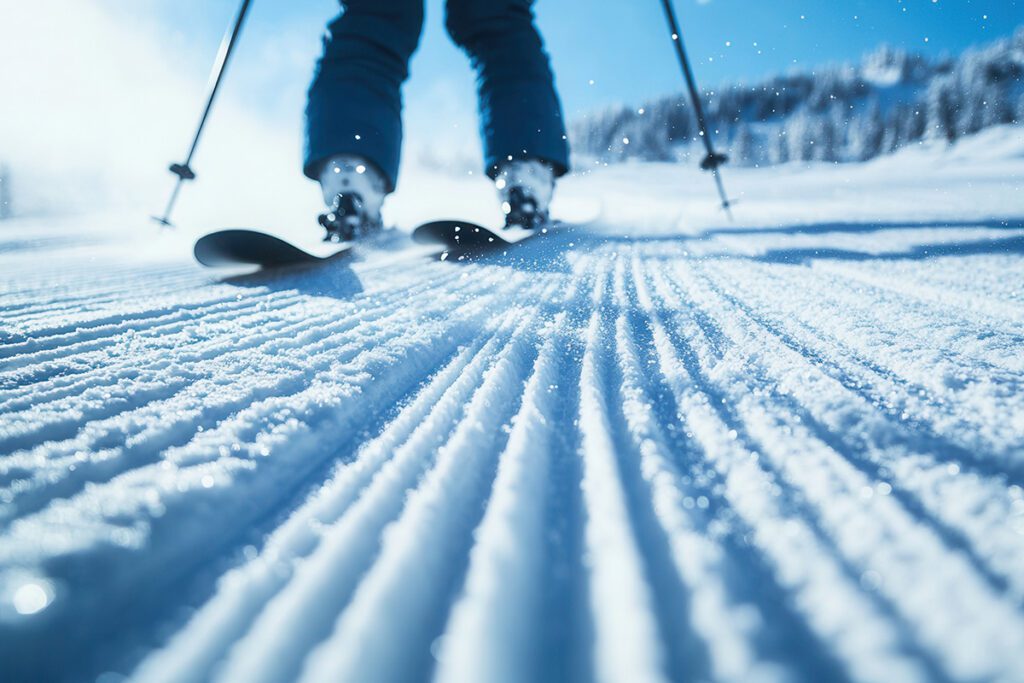
Corduroy
That perfect, ribbed pattern on freshly groomed trails, created by snowcats overnight. It looks like corduroy fabric and provides smooth, grippy snow for carving turns — best enjoyed first thing in the morning before it gets skied off.
Corn Snow
A springtime snow condition that forms when daytime warmth melts the surface slightly, then it refreezes overnight into larger, granular crystals resembling kernels of corn. Corn snow is often forgiving and fun to ski — grippy in the morning when still firm, then soft and carveable as it warms up.
Dump
When the sky opens up and drops a massive amount of snow overnight or during a storm. A big dump means epic conditions the next day — resorts often boast about “20 inches dumped last night!” Essential weather-related ski slang.
Fall Line
The steepest, most direct path straight down the mountain, where water would flow if it melted. Skiing the fall line means pointing your tips downhill for maximum speed and flow.
French Fries
A fun piece of ski slang that instructors use to teach beginners to go faster: keep your skis parallel, side by side, like straight French fries. It’s the next step after pizza and helps build toward confident parallel turns.
Freshies/Fresh Tracks
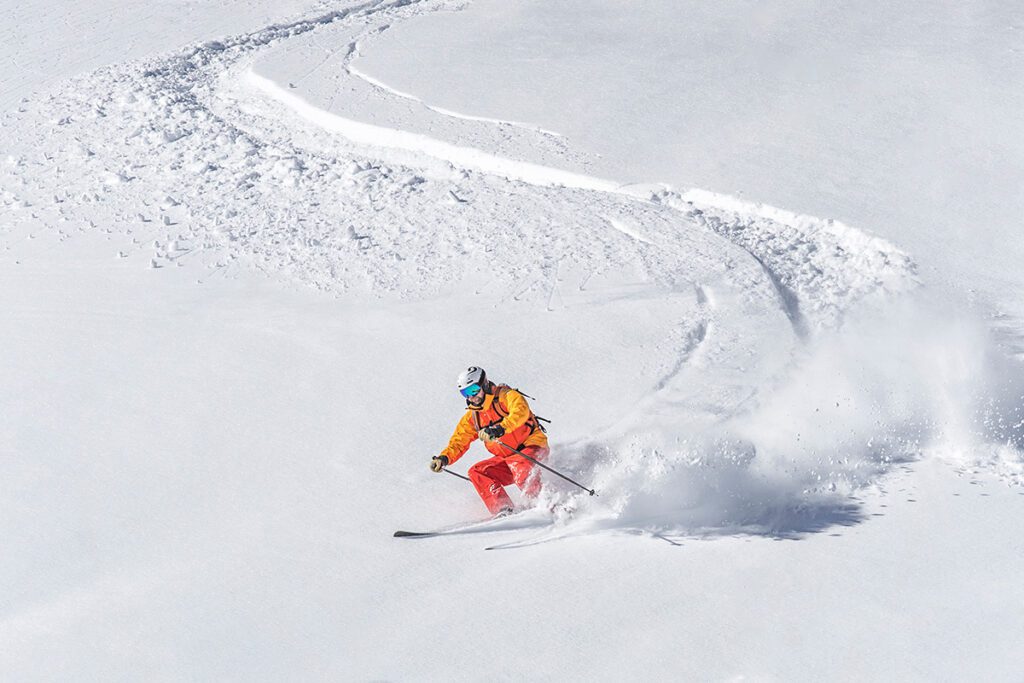
Untouched powder snow that no one has skied yet. Claiming first tracks (or “freshies”) after a snowfall feels like winning the lottery — your skis leave clean lines in pristine snow. One of the most coveted bits of ski slang.
Gaper
A lighthearted (sometimes teasing) ski slang term for obvious newcomers — think mismatched gear, goggles perched on the helmet creating a “gap,” or hesitant moves on the slopes. We’ve all been gapers once!
Gnar/Gnarly
Short for gnarled, meaning rugged or extreme. “That run was gnarly” describes challenging terrain, big bumps, or steep chutes. Shredding the gnar is for advanced riders seeking adrenaline.
Groomer
A machine-groomed trail, smoothed out for predictable, easy skiing. These are often marked green (easy) or blue (intermediate) and are great for building skills and confidence. A core term in everyday ski slang.
Mashed Potatoes
Heavy, wet snow that piles up in spring or warm weather — slow, sticky, and leg-burning, like skiing through mashed spuds. Not ideal, but fun in its own sloppy way.
Moguls/Bumps
Those knee- to thigh-high mounds that form on steeper runs from repeated turns. Skiing moguls requires quick, rhythmic movements — it’s a skill that separates intermediates from experts.
Off-Piste
Skiing outside marked, groomed trails — think glades, bowls, or backcountry. It’s adventurous with untouched snow, but riskier (avalanche danger, no patrol), so go with knowledge or a guide.
Piste
The European term for a marked, groomed trail (what North Americans call a “run” or “trail”). You’ll see this ski slang on maps at international resorts or hear it from worldly skiers.
Pizza/Snowplow
The classic beginner ski slang technique: wedge your ski tips together (forming a pizza slice shape) to slow down or stop. Instructors love saying “Make a pizza!” to kids — and adults. Switch to French fries when you’re ready to go faster.
Pow/Powder
Light, dry, deep fresh snow — the holy grail of skiing. “Deep pow days” mean effortless floating turns and face shots of snow with every carve. Arguably the most beloved ski slang word.
Shred
To ski or snowboard with style, speed, and aggression. “Shredding the pow” or “shredding groomers” means ripping down the mountain skillfully — applies to both skiers and boarders.
Terrain Park
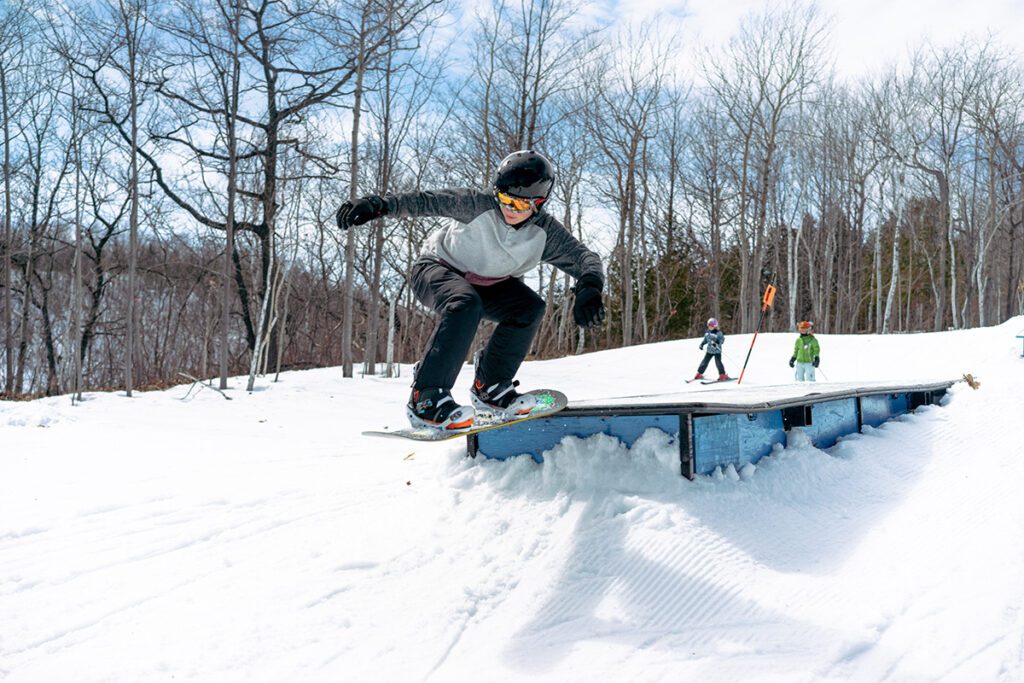
A dedicated freestyle zone with jumps, rails, boxes, halfpipes, and other features. Popular with snowboarders and freestyle skiers practicing tricks—always check rules and start small.
Traverse
Skiing sideways across a slope instead of straight down, often to reach another run or avoid steep sections. It’s a useful technique for controlling speed on tricky terrain.
Uphilling
Ski slang for skinning up or hiking uphill on skis (with climbing skins attached) or snowshoes to earn your turns — often done before or after resort hours for fresh tracks or fitness. It’s also called “skinning” or “touring.” At many North American resorts, dedicated uphill routes allow this rewarding (and sweaty) way to access the mountain without relying on lifts. Just check the resort’s uphill policy first!
Yard Sale
A hilarious (in hindsight) epic crash where your skis, poles, goggles, and gloves fly everywhere, scattering like items at a yard sale. Bonus points if it happens in view of the lift! One of the funniest bits of ski slang.
Whiteout
When visibility drops to near zero due to flat light, fog, or blowing snow. Everything blends into white — making it tough to see bumps or edges. Slow down and stay safe!
Talk the Talk, Walk the Walk
Now that you’ve unlocked this essential ski slang, you’ll blend right in — from understanding why everyone’s chasing “freshies” after a storm to laughing along when someone mentions a “yard sale.” Knowing ski slang isn’t just about words; it’s about feeling part of the vibrant mountain community.
Remember, everyone’s a beginner at some point. Take a lesson if you’re new, stick to terrain that matches your ability, wear a helmet, and follow the skier responsibility code. The mountains are magical—enjoy every turn safely.
Planning your ski vacation? You can save on lift tickets, lodging, rentals, and more by browsing our deals at Skier Deals.