North America’s Most Challenging Ski Mountains
The road less traveled is a road that every adventurer craves. The thrill of the unknown (or places others don’t usually go) makes for an exciting story. Predictable trails have their appeal, but the biggest snow buffs are often looking for truly challenging ski mountains. There’s nothing greater than the rush of the wind on your face and the powder spraying around as you make quick turns, one after the other. But what if the trails were steeper? Or more rugged? Or almost painstakingly tricky to traverse because of how deep the powder is?
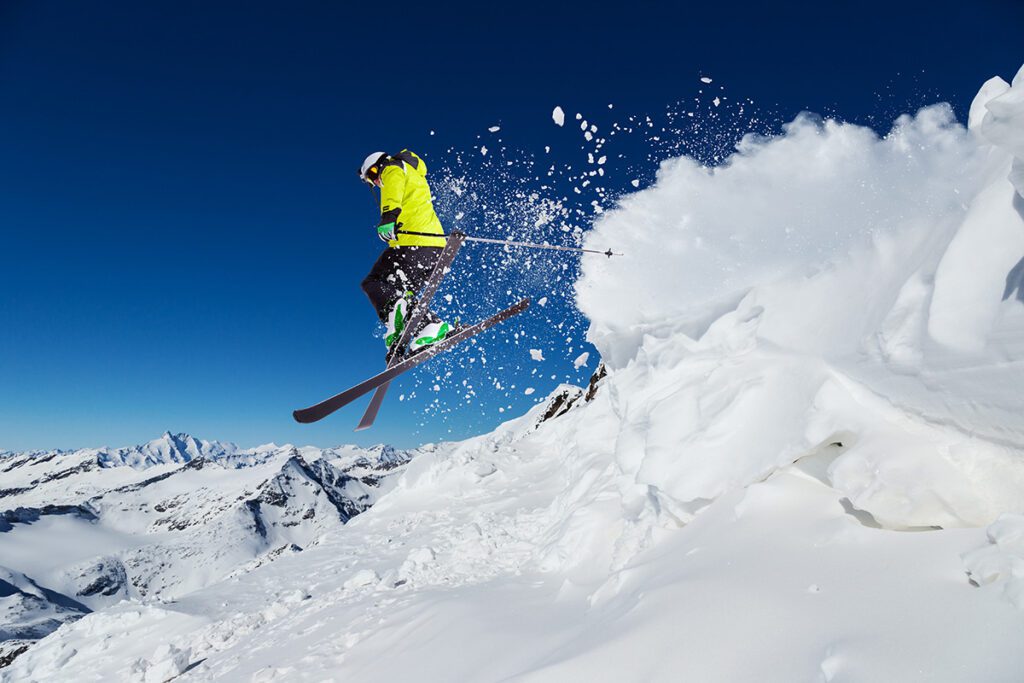
Some ski mountains offer a good mix of terrain for all levels, while others might have more difficult runs that strike a sense of awe in anyone who talks about it. And if you’re the type who wants to push the envelope on what you’re capable of, then you’ll most likely want to try these ski mountains. While these challenging mountains are epically breathtaking and inspiring, we can’t say they are for the faint of heart. So hold on to your ski poles and helmets because it will be a crazy ride.
In no particular order, here are 12 of North America’s most challenging ski mountains:
1. Big Sky Resort, Montana
Big Sky Resort stands out among North America’s ski mountains for its extreme terrain. The resort is centered around Lone Mountain, a towering peak that demands respect from even seasoned skiers. With over 5,800 acres of skiable terrain, it boasts a massive vertical drop of 4,350 feet. Much of it caters to advanced and expert levels. It is 42% advanced trails and 18% expert. However, the numbers understate the intensity. The A-Z Chutes, Headwaters Ridge, and Liberty Bowl offer heart-pounding adventures with steep couloirs, mandatory drops, and rock-strewn lines that test technical skills and endurance.
What sets Big Sky apart is the famous Big Couloir. It is one of the steepest inbounds runs in North America. It requires a sign-in with ski patrol and a partner due to its triple-black-diamond status and potential for devastating falls. The resort’s uncrowded slopes and access to unpatrolled areas like Three Forks’ 40-degree, 1,000-foot drops make it a haven for adrenaline seekers. But, the thin air at 11,166 feet and variable conditions amplify the challenge, ensuring only the bold thrive here.
Blog: Big Sky Skiing | Everything You Need to Know
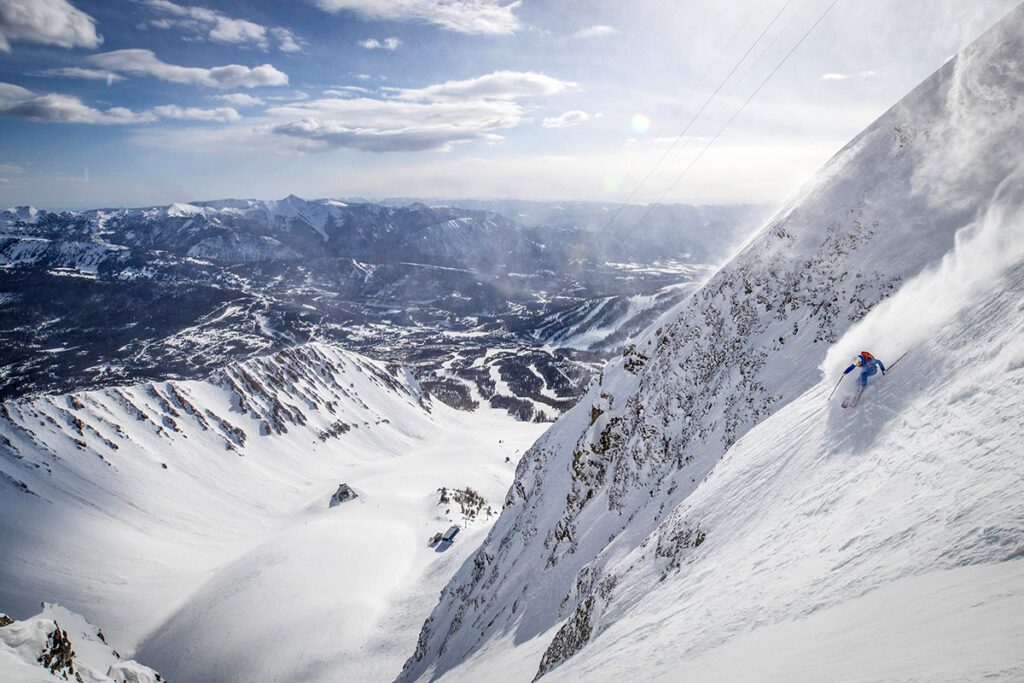
2. Jackson Hole Mountain Resort, Wyoming
Jackson Hole Mountain Resort is legendary among ski mountains. It’s known for pushing skiers to their limits with a consistent 4,139-foot vertical drop that’s almost entirely advanced or expert terrain. Over half the runs are double-black. It features mandatory cliffs, prolonged straightlining, and natural obstacles accessible directly from lifts. The iconic Corbet’s Couloir demands a 20-foot drop-in with little margin for error, dodging rocks in the run-out, while S&S Couloir ups the ante with a 50-foot mandatory air and aerial turns to avoid hazards—arguably the craziest inbounds trail in North America.
What sets Jackson Hole apart is its unrelenting steepness and technical demands without needing hikes for most extremes, combined with deep powder and minimal grooming, creating repeatable danger that outshines hype. The resort’s seclusion in Wyoming adds to the raw appeal, but high winds and variable snowpack require impeccable judgment, making it a true test for experts seeking beyond-limit challenges.
Blog: Jackson Hole Skiing | Everything You Need to Know
3. Mount Baker, Washington
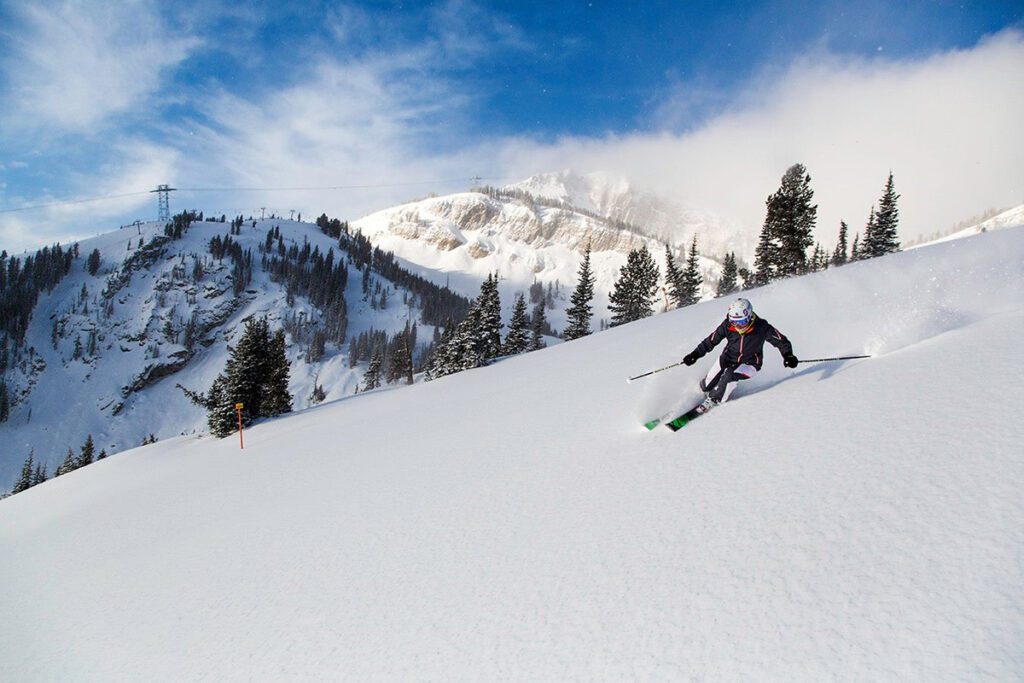
Mount Baker distinguishes itself as one of North America’s most challenging ski mountains through its compact yet intensely demanding terrain, with an average snowfall exceeding 660 inches creating deep, unpredictable powder. The 1,500-foot vertical drop spans “Extreme Danger Zones” that require free falls, 100-foot straightlines, and unmarked obstacles after rope-ducking entries, where tracks don’t guarantee safe paths. Advanced trails dominate for intermediate and above, but the rugged, ever-changing environment—complete with strict policies emphasizing personal responsibility—warns of severe dangers like rocks and variable cover.
What sets Mount Baker apart is its painstaking difficulty in a modest 650-acre footprint, blending inbounds extremes with easy backcountry access, all without the infrastructure of larger resorts. The remote location, 45 minutes from lodging, and thin cover amplify the thrill, making it ideal for experts craving raw, unmanicured challenges in a Pacific Northwest powder paradise.
4. Snowbird, Utah
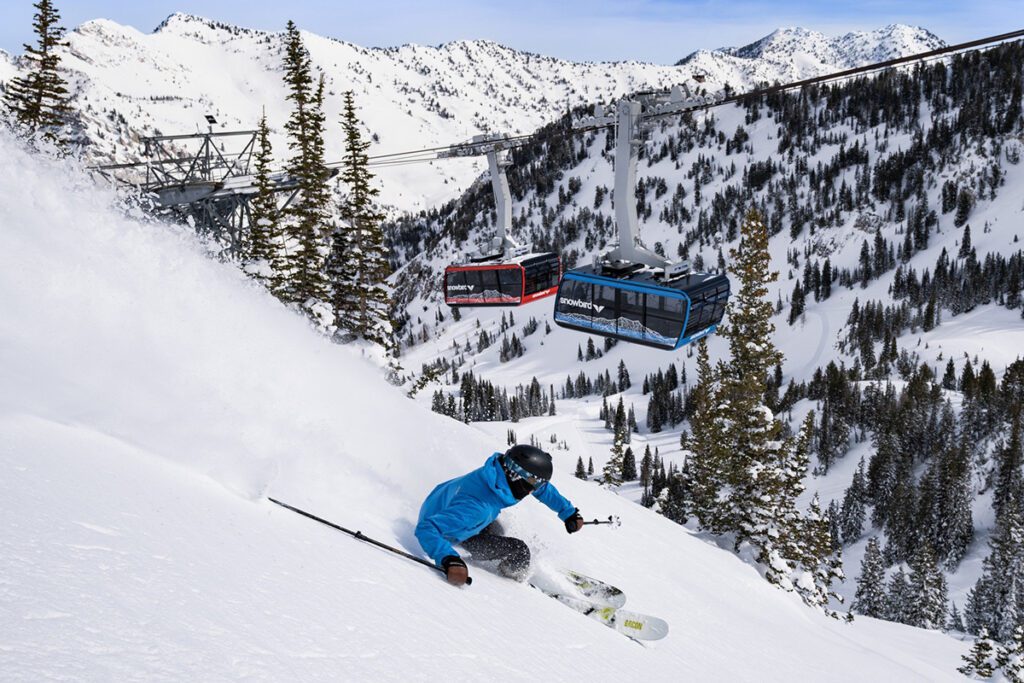
Snowbird ranks high among challenging ski mountains thanks to its massive annual snowfall. It gets over 500 inches of light, dry powder—filling hairy chutes with tight pitches, mandatory airs, and unclear landings across double-black terrain. The 3,240-foot vertical drop includes deceptive starts that escalate to dangerous obstacles,. All are accessible off lifts with reliable early-season openings. The Cirque and east-side chutes demand precision amid moguls and rocks, while the steep footprint tests endurance without the hype of flashier resorts.
What sets Snowbird apart is its continent-leading wild chutes and snow quality that enables precarious expert runs from December onward, contrasting with drought-prone areas. The technicality belied by fluffy conditions requires strong skills, making it a top pick for advanced skiers seeking consistent, high-stakes adventures in Utah’s Wasatch Range.
5. Palisades Tahoe, California
Palisades Tahoe earns its reputation as a premier challenging ski mountain with iconic facades boasting narrow chutes, massive cornices, and monumental cliff drops scattered across diverse zones. The 2,850-foot vertical includes progressive features like the Fingers’ jump-required straightlines, hike-to Palisades’ daunting drop-ins, and Eagle’s Nest’s sheer rock faces in prime seasons. Traditional glades, moguls, and bowls add variety, all demanding perfect precision off lifts.
What sets it apart is the abundance of hidden extremes—twice as many as peers—though freeze/thaw cycles and droughts can close terrain, forcing adaptation. Unlike taller ski mountains, Palisades excels in short, technical bursts that push limits when snow cooperates, making it a California standout for experts craving scattered, high-risk thrills amid Tahoe’s dramatic scenery.
6. Whistler Blackcomb, BC, Canada
Whistler Blackcomb, the largest ski mountain in North America at over 8,171 acres, delivers unmatched intensity with a mile-long vertical drop and double-black trails riddled with rock-lined chutes, cornices, mandatory airs, and up to 60-foot cliffs in high-alpine bowls. Below-treeline drops in woods or marked paths add diversity, though lower halves ease up. Direct lift access to extremes without frequent hikes sets it apart, offering vast quantities of treacherous features that outpace competitors in scale and variety. The Coffin run exemplifies the terror with sheer drops, while the overall footprint keeps experts engaged across sustained pitches.
Despite not emphasizing endurance like smaller peers, Whistler’s blend of size, terrain types, and reliable snow makes it a benchmark for advanced skiers tackling Canada’s epic challenges.
Blog: Whistler Blackcomb | Everything You Need to Know
7. Kirkwood, California
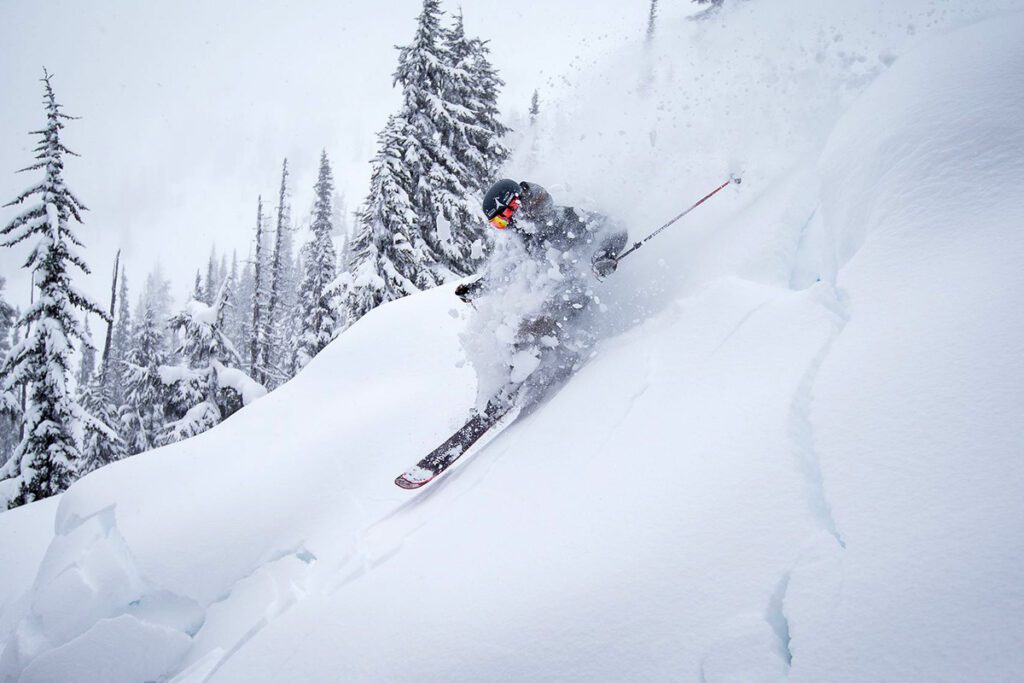
Kirkwood stands out among Tahoe’s best ski mountains. It has a 2,000-foot vertical drop packed into rock-formed chutes, cliffs, and couloirs that demand technical drop-ins, mandatory straightlining, or free falls under skull-and-bones warnings. Upper-mountain double-blacks feature massive cornices and unpredictable moguls, glades, and steep pitches emerging mid-run, requiring high speeds on durable gear.
Unlike endurance-heavy resorts, Kirkwood excels in intense, punchy bursts of perilous, rock-riddled terrain directly off lifts, setting it apart for forcing physical limits in compact packaging. The former Freeride World Tour venue underscores its expert credentials, with natural obstacles amplifying risks. Ideal for skiers seeking quick-hit adrenaline without marathon descents, Kirkwood’s unassuming vibe belies its capacity to humble even pros in California’s rugged Sierra Nevada.
Blog: Kirkwood Skiing | Everything You Need to Know
8. Revelstoke, BC, Canada
Revelstoke claims the longest lift-accessed vertical drop in North America at 5,620 feet (over 6,000 with hikes), making it a beast among ski mountains served by just six lifts across a vast footprint. Double-black trails feature profound cliff drops, rock-lined chutes, and cornices. Expert glades off the gondola demand navigation through unavoidable obstacles for nearly 3,000 feet. Upper bowls require sudden straightlining or mandatory airs, blending technicality with draining cardio.
What sets Revelstoke apart is its unrelenting scale and inaccessibility, radiating insanity from top to bottom. The combination of endless vertical and gnarly features, plus hike-accessed lines, ensures a full-body challenge for those craving untamed Canadian extremes.
9. Crested Butte, Colorado
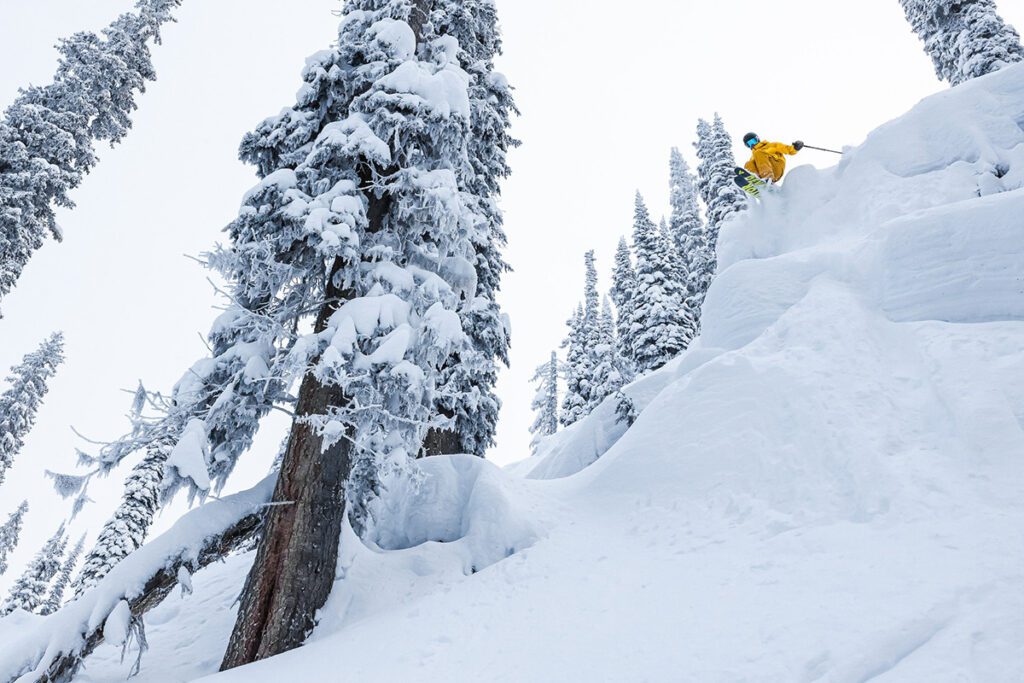
Crested Butte is renowned for its over 40% double-black trails. The resort features narrow chutes, mandatory cliff drops, significant descents, and 55-degree pitches on runs like Rambo—the steepest man-made trail in North America. The terrain includes perilously pitched faces with hundreds of feet of tumble risk. This is exacerbated by lower snowfall exposing rocks, stumps, and thin cover, plus uncleared shrubs.
What sets it apart is the dire, rock-riddled situations directly off lifts, making it Colorado’s toughest traditional ski mountain, where early-season demands rock skis and late openings heighten anticipation. Unlike larger vertical drops, Crested Butte’s compact intensity amplifies obstacles across the footprint, ideal for experts tackling unavoidable natural hazards in a southern Colorado setting that hosts freeskiing championships.
Blog: Crested Butte Skiing | Everything You Need to Know
10. Mad River Glen, Vermont
Mad River Glen embodies East Coast extremes. It’s regarded as the toughest ski mountain in the region, with raw, ungroomed terrain. Minimal snowmaking leads to frequent rocks, tree stumps, bare ground, and frozen waterfalls across elevation zones. The modest vertical drop and footprint demand exceptional technical precision on narrow, bumpy, icy slopes. Over 40% double-black trails aren’t quantified but amplify through perennially thin cover.
What sets it apart from Northeast peers like Jay Peak is the fair-game off-trail areas and challenges at every pod. it’s not just sections requiring mandatory drops or perfect control. Skier-only and without grooming, it offers Northeast limits for experts avoiding Western travel, thriving on natural hazards that build character in Vermont’s unforgiving winters.
11. Silverton Mountain, Colorado
Silverton Mountain is widely regarded as the steepest and highest ski mountain in North America. It has a peak elevation of 13,487 feet and no easy descents across 1,819 acres of expert-only terrain. A single lift serves nearly 2,000 feet to a ridge, from which skiers hike for turns in un-groomed, unmarked bowls, chutes, and cliffs requiring avalanche gear, guides, and partners. Double-black diamonds dominate here. Complex snowpack and massive exposure demand respect amid the San Juan Mountains’ treacherous conditions.
What sets Silverton apart is its raw, unapologetic focus. Think no buildings, limited tickets, and heli or lift-assisted hiking into wilderness. It’s a backcountry-like experience that’s intimidatingly challenging, even on low-danger days. Ideal for hardcore adventurers, it prioritizes earning turns over convenience, making it Colorado’s ultimate test for those braving nature’s power.
12. Kicking Horse Mountain Resort, BC, Canada
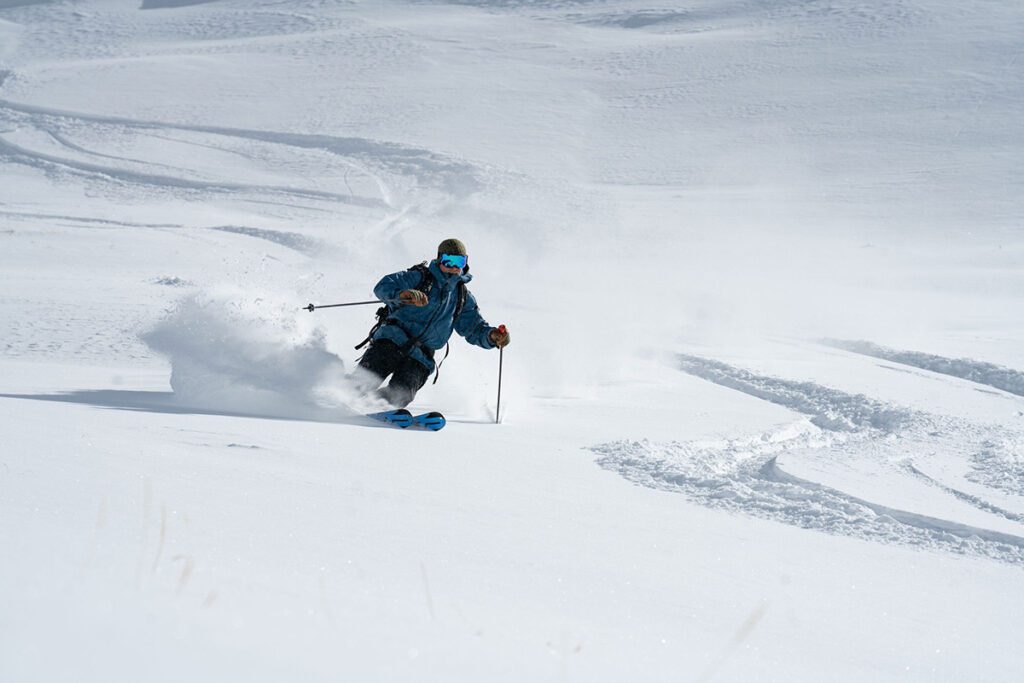
Kicking Horse tops lists of challenging ski mountains. It has five peaks offering over 4,000 feet of vertical, where even single-black runs require no-fall zones. Double-blacks feature narrow chutes, straightlining, and cliffs often needing guides to avoid unsendable drops. The four bowls with 90 chutes, visible from the 7,700-foot Eagle’s Eye Restaurant, blend technicality with cardio, as ridge setups commit skiers to full descents without mid-mountain escapes.
What sets it apart is the untamed intensity. The resort offers minimal markings, and remote access amplifying extremes across all flavors. It truly is North America’s most unhinged resort. Helicopter backcountry adds old-school thrill, while 60% advanced/expert terrain ensures jaw-dropping challenges in British Columbia. It’s perfect for conquering demanding trails with knowledgeable support.
Ski Deals, Discounts & Promo Codes
You can find ski discounts, deals and promo codes at all the best resorts in North America at Skier Deals.
Related Blogs
Our regularly updated blog has trip planning news and tips, along with ski resort features across the nation. If you’re looking for it, our blog probably has it. Click on a link below to read more!